
Best Cashback Crypto Cards 2026
Compare crypto cards with the highest cashback rates in 2026. Verified rewards from 1% to 8%, paid in BTC, USDT, or native tokens.
Ah, cashback, the big one. Everybody loves a good cashback, and when my team and I were putting together the main ranking, we gave a bit more weight to cards that come with higher cashback. The feedback we got from readers pointed to the same conclusion:
people care about their money and take cashback and other perks seriously when choosing their card.
And since we were putting our own money into testing all these cards, we can tell you firsthand that seeing $150 come back at the end of the month feels very different from seeing $25.
But if you read that ranking carefully, you would also notice a warning we put on how marketing and reality are not always the same thing. A card that advertises "8% cashback" can quietly become 0.5% once you hit a monthly cap nobody mentioned upfront.
So what do we mean when we say cashback crypto cards? Cards where the main proposition is cashback and the rate still nets out profitable after fees, either right away on a free tier, or after enough monthly spend to cover the annual cost. A card that pays 6% but charges $250/year only becomes a cashback card in any real sense once you spend enough to clear that fee. Until then it is a subscription product with rewards attached.
If you want the broader market view before narrowing it down to rewards alone, start with our best cards overall.
This page is where we break that gap wide open: the three numbers that actually determine your return, worked examples showing what you really earn, and the mistakes that cost most users hundreds of dollars a year without them realizing it.
Unlike on our main rankings page where we excluded cards available in only one country or a small region, this page includes them, with a note on availability where relevant. For a full breakdown by location, check our country-by-country guides where we cover availability, fees, and local regulations across the markets we track.
Summary:
Which crypto cards are best for cashback?
The best crypto cards for cashback are Tria Signature Card, Jupiter Global, Coinbase Card (Prepaid Visa), COCA Visa Card, Gnosis Pay Card, Bitget Card, Wirex Elite Card, and Bleap Mastercard. The full notes and caveats are in the detailed picks below.
| Crypto card | Max cashback | Annual fee | Availability |
|---|---|---|---|
| Up to 4.5% cashback | $90 with SpendNode | Global | |
| Up to 10% cashback | Free | US, LATAM, APAC | |
| Up to 4% cashback | Free | US | |
| Up to 8% cashback | Free | Global | |
| Up to 5% cashback | Free | EEA, UK | |
| Up to 8% cashback | Free | EEA, APAC | |
| Up to 8% cashback | $360 | EEA, UK | |
| Up to 2% cashback | Free | EEA |
How we ranked these cards
A card advertising 8% cashback can look incredible until you factor in everything else. We looked at what you actually walk away with at the end of the month, not what the marketing page promises.
That means we accounted for FX fees that quietly eat into your reward, annual fees and whether the cashback realistically covers them, monthly spending caps that throttle your rate once you hit a ceiling, and staking requirements that lock your capital with opportunity cost and token risk.
We also weighed whether the cashback lands in a stablecoin you can spend tomorrow or a volatile token that might be worth half as much next month. A card that pays 3% in USDC is not the same as a card that pays 3% in a token down 40% from its peak. The ranking below reflects net profitability, not headline rates.
We limit the main ranking to one card per vendor. If a provider has multiple strong tiers, we pick the one that best captures the value of that lineup.
Alright, here are our top picks.
Top 10 Cashback Cards

1. Tria Signature Card
High-Yield Self-Custody: 15% APY + Visa Signature Perks

2. Jupiter Global
Free virtual USDC card with 4% base cashback
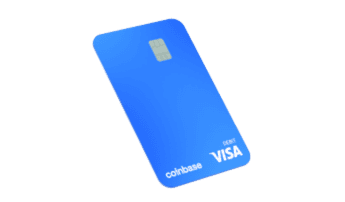
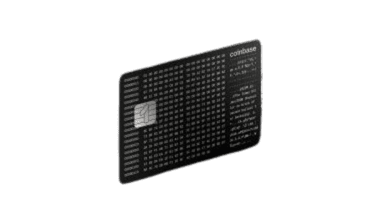
3. Coinbase Card (Prepaid Visa)
Safe & Simple: US Regulated Prepaid Visa with Rotating Crypto Rewards
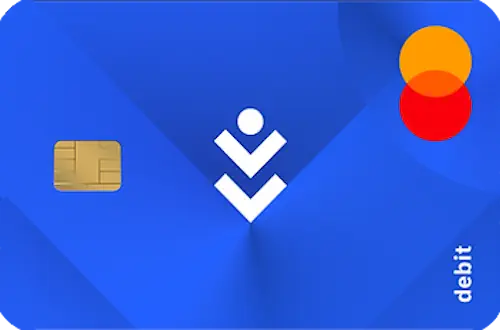
4. COCA Visa Card
Self-Banking: 8% Cashback + 6% APY + 0% FX

5. Gnosis Pay Card
Your Keys, Your Card, Your Money

6. Bitget Card
Trade and Spend: Up to 8% BGB Cashback for Bitget Traders

7. Wirex Elite Card
Elite Travel Status: 8% Rewards + Priority Support
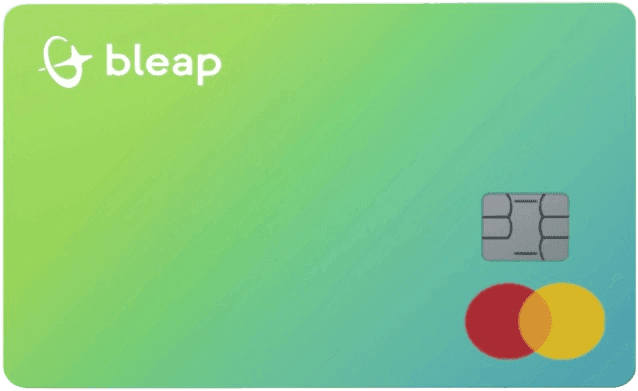
8. Bleap Mastercard
Secure DeFi Spend: Tiered USDC Cashback + 0% FX Fees
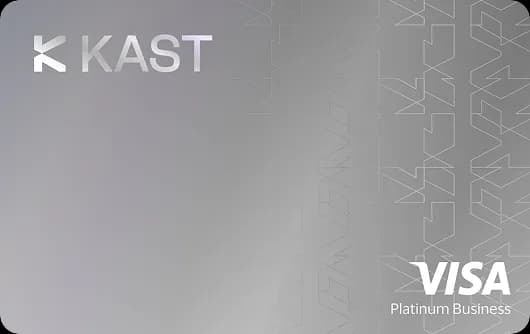
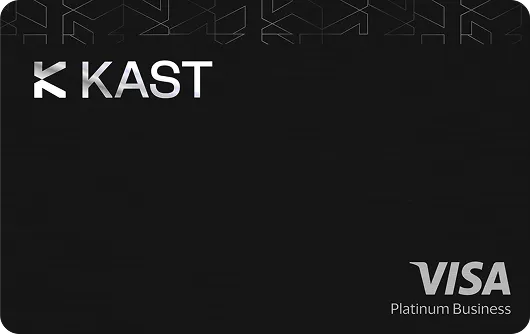
9. KAST K Card
Free USD Cashback: 1.5% on First $2K/Month

10. ether.fi Core Card
3% Back on Every Purchase, No Stake Required
Honorable Mentions
These cards didn't make our top picks but deserve a look depending on your situation.
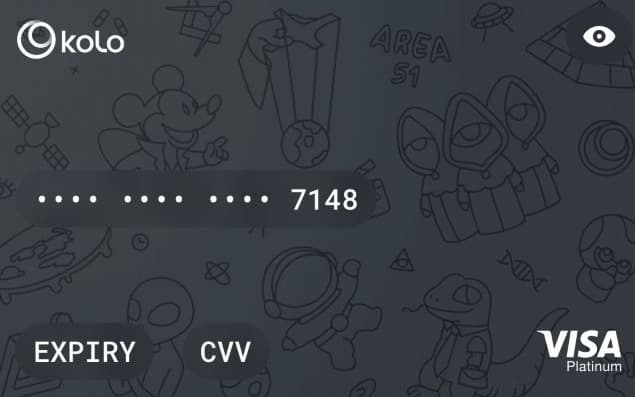
11. Kolo Card
Earn Bitcoin on Purchases: 2% BTC Cashback + Visa Platinum + 170+ Countries
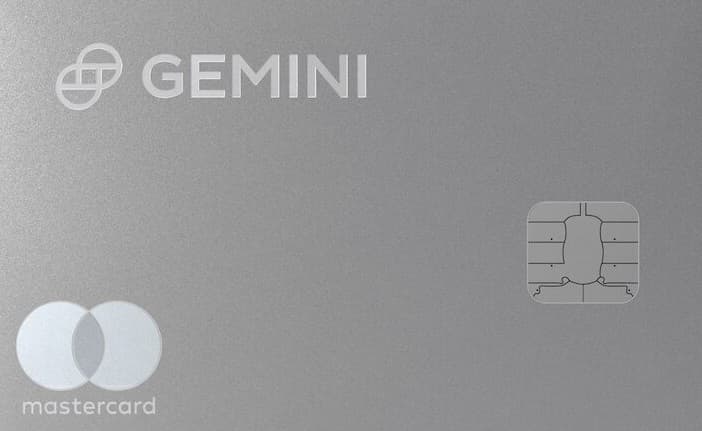
12. Gemini Credit Card
Category Crypto Rewards: 4% Gas/Transit/Rideshare, 3% Dining, 2% Groceries

13. Private (Icy White / Rose Gold)
Private Tier: 4% Uncapped Cashback + Lounge Guest
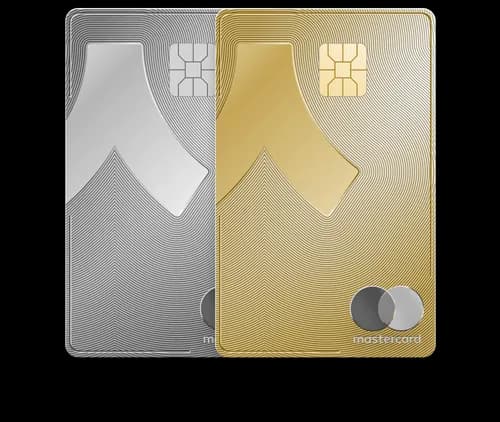
14. Ready Metal Card
Premium Self-Custody: 3% Back on Every Swipe, Zero FX
How Crypto Cashback Actually Works
Those were our picks, and it was not always easy. Some of the cards I personally prefer and use more ended up slightly lower on the list due to pure ROI, but I got used to them because of ease of use and great customer support, but that's just a personal bias.
Now to the numbers, and how to fully optimize your spending.
Not all cashback works the same way. Exchange cards (Crypto.com, Bitget, Wirex) debit a pre-loaded fiat balance and credit tokens after each purchase. Self-custody cards (Gnosis Pay, Ready, MetaMask, Bleap) convert your crypto only at the moment you tap, so your funds stay in your wallet until spent.
US credit cards (Gemini, Coinbase One) work like traditional credit cards but pay rewards in crypto instead of miles. And some cards (1inch, xPlace, Solflare) pay in points that only become valuable if and when a token launches. Each card in our ranking above notes which model it uses.
The type of reward matters just as much as the rate. Liquid cashback (CRO, ETH, USDC, BGB, STRK) has market value the moment it hits your wallet - you can sell it, stake it, or hold it. Reward points (1inch XP, xPlace XP, Solflare points) have zero value today and only pay off if the project launches a token.
Credit card rewards (Gemini, Coinbase One) work like traditional credit cards - no crypto wallet needed, no top-up process, rewards paid in your choice of crypto. KAST pays USD cashback (1.5% Standard, 2% Premium, 3% Luxe, capped per tier) plus KAST Points as a secondary loyalty stream on Premium and Luxe (1% and 2%).
What Earns Cashback and What Does Not
Card issuers use Merchant Category Codes (MCC), four-digit codes assigned to every merchant by Visa or Mastercard, to determine which transactions qualify for rewards.
| Earns Cashback | Does Not Earn Cashback |
|---|---|
| Retail (groceries, clothing, electronics) | ATM withdrawals |
| Dining (restaurants, cafes, delivery) | Peer-to-peer transfers |
| Online shopping | Government payments (taxes, fines) |
| Travel (hotels, flights, rideshare) | Buying crypto with the card |
| Subscriptions (Netflix, Spotify, software) | Insurance premiums |
| Gas stations and EV charging | Gambling (blocked on some cards) |
| Pharmacy and health stores (when coded as retail) | Financial services transactions |
The tricky edge cases: A pharmacy coded as "health services" (MCC 8099) may not earn rewards even though you are buying toothpaste. A convenience store coded differently from a grocery store might earn a lower rate. The MCC is assigned by the merchant's payment processor, not by you, and you cannot change it. If a transaction does not earn the expected cashback, the MCC mismatch is almost always the reason.
Three Numbers That Determine Your Actual Return
Every crypto cashback card is defined by three numbers. Marketing materials emphasize the first one and hide the other two.
Number 1: The Cashback Rate
This is the percentage you get back on eligible spending. It is the number in the headline: "Earn 8% cashback!" But the rate alone tells you very little without the other two numbers.
Number 2: The Monthly Cap
The maximum cashback you can earn in a single month, regardless of spending volume. This is the number that determines your effective rate - the cashback you receive divided by your total spending.
| Card | Advertised Rate | Monthly Cap | Spending to Hit Cap | Effective Rate at $3,000/mo | Effective Rate at $5,000/mo |
|---|---|---|---|---|---|
| Crypto.com Plus | 2% | $25 | $1,250 | 0.83% | 0.50% |
| Crypto.com Pro | 3% | $75 | $2,500 | 2.50% | 1.50% |
| Crypto.com Icy White | 4% | None | N/A | 4.00% | 4.00% |
| Plutus Starter | 3% | £250 eligible spend | approx. $315 | 0.32% | 0.19% |
| Coinbase | Up to 4% rotating | None | N/A | Up to 4.00% | Up to 4.00% |
| Uphold Elite | 4% | $300 | $7,500 | 4.00% | 4.00% |
| Uphold Essential | 2% | $120 | $6,000 | 2.00% | 2.00% |
| ether.fi Core | 3% | None | N/A | 3.00% | 3.00% |
| Ready Metal | 3% | $150 | $5,000 | 3.00% | 3.00% |
A user spending $5,000/month on Crypto.com Plus earns $25 (the cap), not $100 (the advertised 2%). Their effective rate is 0.50%. The same user on ether.fi Core (3%, uncapped) earns $150. An uncapped 3% card earns 6x more than a capped 2% card at this spending level.
Number 3: The Unlock Requirement
What you must do to activate the advertised rate. This is either a subscription fee, a token stake, a trading volume threshold, or nothing at all.
| Card | Rate | Requirement | Type | Lock Period |
|---|---|---|---|---|
| Crypto.com Plus | 2% | $4.99/mo or $500 CRO | Subscription or stake | Monthly or 12 months |
| Crypto.com Pro | 3% | $29.99/mo or $5,000 CRO | Subscription or stake | Monthly or 12 months |
| Crypto.com Icy White | 4% | $50,000 CRO | Stake only | 12 months |
| COCA Elite | 8% | Stake $COCA tokens | Stake (30-day cooldown) | Membership duration |
| Coinbase | Up to 4% rotating | None | Free | N/A |
| Gemini | 4% | None | Free (US credit card) | N/A |
| ether.fi Core | 3% | None | Free | N/A |
| Ready Metal | 3% | $120/year | Annual fee | 1 year |
Cards with zero requirements (Gemini, ether.fi Core, and Coinbase when its top rotating tier is live) give you the reward from day one with no capital at risk. Cards with staking requirements (Crypto.com, Plutus) require you to buy and lock a volatile token - adding a hidden cost that can exceed the cashback itself.
What You Actually Earn: A Worked Example
The headline rate is not your return. Here is what a typical spending profile produces after accounting for caps, fees, and token volatility.
$2,000/month on Crypto.com Plus (Capped)
| Component | Calculation | Amount |
|---|---|---|
| Eligible spending | $2,000/month | $24,000/year |
| Cashback at 2% | $2,000 x 2% = $40, but capped at $25 | $25/month |
| Annual cashback | $25 x 12 | $300 |
| Subscription cost | $4.99 x 12 | -$59.88 |
| Spotify rebate (3 months) | $10.99 x 3 | +$32.97 |
| Net annual value | $273.09 | |
| Effective rate | $273 / $24,000 | 1.14% |
The advertised rate is 2%. Your effective rate after the cap, subscription, and rebate is 1.14%. You hit the $25 cap at $1,250 in spending - the remaining $750 each month earns nothing.
What if you switched to ether.fi Core (3%, uncapped, free)? $2,000 x 3% x 12 = $720/year. No cap, no subscription. 2.6x more annual return at the same spending level.
The Hidden Cost of Token-Based Rewards
When you receive cashback in CRO, BGB, PLU, or WXT, your reward is not $30 - it is 300 CRO tokens valued at $30 today. If CRO drops 30% next month, those tokens are worth $21. Your 3% cashback became 2.1% after the drop. Cards paying rewards in stablecoins, like USDC on COCA and Bleap, remove the reward-token volatility itself even if the rest of the card economics still depend on caps, tiers, or staking.
The problem gets worse when staking is involved. High-tier cards require you to buy and lock tokens to unlock better rates. Before committing capital, run this formula:
True Annual ROI = (Annual Cashback + Rebates) - (Annual Fee) - (Staking Opportunity Cost) - (Token Depreciation Risk)
Worked Example: Crypto.com Pro via $5,000 CRO Stake
| Component | Value |
|---|---|
| Annual cashback ($3,000/mo, 3%, $75 cap) | $900 |
| Spotify rebate (6 months) | $65.94 |
| Netflix rebate (6 months) | $66.00 |
| Lounge access (4 visits x $40) | $160 |
| Gross annual value | $1,191.94 |
| Opportunity cost ($5,000 at 8% stablecoin yield) | -$400 |
| Net value (CRO flat) | $791.94 |
| Net value (CRO -20%) | -$208.06 |
| Net value (CRO -40%) | -$1,208.06 |
If CRO stays flat: Excellent return - $792 net on a $5,000 commitment (15.8%). If CRO drops 20%: You lose $1,000 on the stake and end up down $208 for the year. If CRO drops 40%: All rewards are wiped out - you are down $1,208.
Staking-based cards are investment decisions disguised as cashback cards. If you are not independently bullish on the token, use a no-stake card instead. Most experienced users sell native token rewards to USDC or fiat within 24 hours of receiving them - this locks in the full rate and eliminates price risk.
Common Mistakes That Cost You Cashback
Mistake 1: Ignoring the Monthly Cap
The most expensive mistake in crypto cashback. A user spending $5,000/month on Crypto.com Plus (2%, $25 cap) earns $25 - not $100. They are leaving $75/month on the table because they never checked the cap. Over a year, that is $900 in missed rewards.
How to avoid it: Before applying for any card, divide the monthly cap by the cashback rate. That gives you the maximum useful monthly spend. For Crypto.com Plus: $25 / 2% = $1,250. Every dollar above $1,250 earns nothing. If you spend more than that, you need a higher tier or an uncapped card.
Mistake 2: Holding Volatile Reward Tokens Too Long
You earned $500 in CRO over 6 months. CRO drops 40%. Your $500 is now $300. You just lost $200 in cashback value by doing nothing.
How to avoid it: Set a rule: sell reward tokens to stablecoins or fiat within 24-48 hours of receiving them. This locks in the full cashback value. Only accumulate native tokens if you have an investment thesis for that specific token independent of the card.
Mistake 3: The Conversion Spread Trap
A card advertises "0% fees" but sells your crypto at 1.5% below the market rate when you top up. On a $3,000 monthly top-up, that is $45/month in hidden costs - more than many cards pay in cashback.
How to avoid it: Compare the rate you receive during top-up with the mid-market rate on CoinGecko. If the spread is consistently above 0.5%, consider funding your card with USDC or USDT (which have near-zero spread) instead of volatile crypto.
Mistake 4: Excluded Merchant Categories (MCCs)
You spend $200 on a gift card at a convenience store, expecting 3% back. The store's MCC is "misc food stores" (5499), not "grocery" (5411). Your cashback: 0%. Or you pay your insurance through the card expecting rewards - insurance premiums are excluded on almost every crypto card.
How to avoid it: Government payments, insurance, peer-to-peer transfers, money orders, and crypto purchases are almost universally excluded. If you are unsure whether a merchant qualifies, test with a small purchase first and check your rewards the next day.
The Multi-Card Rotation Strategy
Most users carry one card. The ones who earn the most carry two or three and rotate based on where they are in the month.
The idea: use a capped card until you hit its ceiling, then switch to an uncapped card for the rest of the month. You capture the capped card's perks (lounge access, subscription rebates) without leaving money on the table once the cap kicks in.
Example: $5,000/month spender
| Phase | Card | Spend | Cashback | Why |
|---|---|---|---|---|
| First $2,500 | Crypto.com Pro (3%, $75 cap) | $2,500 | $75 | Captures Spotify/Netflix rebates + lounge visits |
| Remaining $2,500 | ether.fi Core (3%, uncapped) | $2,500 | $75 | No cap, no fee, pure upside |
| Monthly total | $5,000 | $150 | 3.0% effective |
Compare to single-card alternatives on the same $5,000:
| Single Card | Cashback | Effective Rate |
|---|---|---|
| Crypto.com Pro only | $75 (capped) | 1.5% |
| ether.fi Core only | $150 (uncapped) | 3.0% |
| Tria Signature only | $225 (4.5%, uncapped) | 4.5% |
| Jupiter Global only | $200 (4%, cap varies by tier) | 4.0% |
The rotation only makes sense when the capped card brings perks you actually use. If you don't fly enough to use lounge access and don't care about Spotify rebates, a single uncapped card like Tria Signature at 4.5% beats any rotation.
The subscription stacking trick
Several cards offer boosted rates or rebates on specific subscription categories. If you already pay for streaming, AI tools, and music, routing those charges through the right card turns fixed monthly costs into cashback.
Example: $85/month in subscriptions
Say you pay for Netflix ($15.49), ChatGPT Plus ($20), Spotify ($10.99), YouTube Premium ($13.99), Amazon Prime ($14.99), and a Coursera plan ($9.99).
| Subscription | Card | Rate | Monthly back |
|---|---|---|---|
| Netflix + Spotify | Crypto.com Pro | 100% rebate (6 mo each) | $26.48 rebate |
| ChatGPT Plus + YouTube Premium | Bleap | 20% on AI/streaming | $6.80 |
| Amazon Prime + Coursera | COCA | 50% on marketplaces | $12.49 |
| Everything else (daily spending) | Tria Signature | 4.5% uncapped | Scales with spend |
Total subscription recovery: roughly $45/month ($540/year) on $85/month in subscriptions you were paying anyway. That is a 53% effective return on fixed costs.
The 100% Crypto.com rebates rotate (Spotify for 6 months, then Netflix for 6 months on Pro tier). Bleap's 20% hits streaming and AI categories automatically by MCC code. COCA's 50% rebate covers marketplaces and scales with tier (up to $70/month cap per service).
When a boosted campaign changes the math
Card issuers regularly run limited-time cashback boosts. Bybit VIP tiers unlock subscription rebates on TradingView, ChatGPT, Netflix, Spotify, and Amazon Prime. Plutus runs £10 perk rebates across 50+ brands (Tesco, Aldi, Uber, Netflix, Spotify) that stack on top of the base 3-9% PLU cashback.
These campaigns are capped (typically $20-50 per boost) and time-limited, but they can temporarily push effective rates well above what any single card offers at its standard tier. The strategy: keep a secondary card active for these windows. You do not need to use it every day - just route the qualifying purchase through it when a boost is live, then go back to your primary uncapped card.
For users who carry multiple cards, pairing one Visa with one Mastercard also gives network redundancy. If one network goes down or a merchant only accepts one, you are covered. See our travel guide for the two-network rule.
Which Cashback Card Is Right for You?
Still not sure? Here is a quick breakdown by use case. If cashback is only part of what matters, the comparison widget on every page lets you filter by other metrics, or jump to a head-to-head comparison if you have already narrowed it down.
Pay nothing, earn 3-4.5%
The best starting point for most people. No staking, no annual fee, no commitment.
| Card | Rate | Cap | FX | Region | Why pick it |
|---|---|---|---|---|---|
| Tria Signature | 4.5% USDC | None | 0% | Global | Our top pick overall. $109/yr fee, but breaks even at $202/mo |
| Jupiter Global | 4% base | Monthly | 0% USD | Global | Free, Solana-native, up to 10% with referral tiers |
| Coinbase | Up to 4% | None | 0% | US | Easiest entry if you have a Coinbase account. FDIC-insured |
| ether.fi Core | 3% | None | 1% | Global | Free, Ethereum-native, borrow-to-spend option |
Keep your keys, earn while you spend
Self-custody cards that connect to your own wallet. No exchange deposit, no counterparty holding your funds.
| Card | Rate | FX | Wallet | Region | Why pick it |
|---|---|---|---|---|---|
| Tria Signature | 4.5% USDC | 0% | Self-custody | Global | Highest self-custody rate, Visa Signature perks |
| Gnosis Pay | Up to 5% | 0% | Gnosis Safe | EEA/UK | On-chain spending from your Safe wallet |
| Bleap | 2% USDC | 0% | Self-custody | EEA | 20% subscription rebates, Mastercard |
| Ready Lite | 0.5% STRK | 0% | Self-custody | EEA | Free, zero-cost entry to self-custody spending |
Chase the highest rate (staking required)
These cards advertise 8% but require you to buy and lock tokens. Run the ROI formula from above before committing - a 20% token drop wipes out the cashback.
| Card | Rate | Requires | Cap | FX | The catch |
|---|---|---|---|---|---|
| COCA Elite | 8% | 30K $COCA stake | $10K/mo then 1% | 0% | Token volatility + 30-day unstaking cooldown |
| Bitget | Up to 8% BGB | BGB holdings | Tiered | 0% | Rewards in BGB, rate depends on balance tier |
| Wirex Elite | 8% | $100K WXT | $200/mo | 0% | $200/mo cap means effective rate drops fast above $2,500 |
Cashback plus lifestyle perks
When you want lounge access, subscription rebates, and cashback in one card.
| Card | Rate | Lounges | Rebates | FX | What it costs |
|---|---|---|---|---|---|
| Crypto.com Icy White | 4% | Priority Pass + guest | Spotify, Netflix, Amazon Prime | 0% | $50K CRO stake (12 months) |
| Crypto.com Pro | 3% | 4 visits/yr | Spotify (6 mo), Netflix (6 mo) | 0% | $29.99/mo or $5K CRO |
| Gemini | 4%/3%/2%/1% | None | None | 0% | US credit card, builds credit history |
Europe-specific picks
Cards with EEA/UK availability, 0% FX on EUR spending, and MiCA-regulated issuers.
Gnosis Pay (up to 5%, self-custody) and COCA (up to 8%, staking required) lead on raw rate. Bleap (2% + 20% subscription rebates) is the Mastercard alternative. Bitpanda (1%, no annual fee) for zero commitment. Kolo (2% BTC, free, SEPA bank send from wallet) if you want rewards in BTC with direct euro off-ramp.
Conclusion
Profitability on a cashback card comes down to one calculation: cashback earned minus fees, cap losses, token depreciation, and opportunity cost. Whichever card produces the largest positive number for your spending pattern wins. The headline rate on the homepage rarely picks the same card. Two people looking at the same card can land at different answers, which is why the worked examples above matter more than the rates. Do the math before you apply, and rerun it once a year when fees, caps, or token prices shift.
Disclaimer: SpendNode is a data comparison platform. We are not financial advisors. Crypto cards involve risks including asset volatility, custodial risk, and tax complexity. Verify all terms directly with issuers before applying.
Written by Aleksandar Dukic
Frequently Asked Questions
Is crypto cashback better than traditional bank rewards?
It depends on your risk tolerance and which asset you receive. Stablecoin cashback (USDC/USDT) is functionally identical to traditional cashback but paid in digital dollars. Native token cashback (CRO, BGB, PLU) can appreciate or depreciate, adding an investment dimension that traditional cashback lacks. A 3% CRO reward that drops 30% in value is worse than a 1.5% fiat reward.
When does my crypto cashback appear in my wallet?
Most cards credit rewards within 24 hours of the transaction settling. Crypto.com and Bitget are typically same-day. Plutus distributes monthly with a 45-day vesting period. Ready credits STRK by the 15th of the following month. Check your specific card terms, as settlement timing varies.
Why do some cards charge a conversion fee on top of cashback?
Crypto cards on Visa and Mastercard networks must settle in fiat. When you load crypto onto a prepaid card, the issuer converts it to USD or EUR. Some charge an explicit conversion fee (0.9% to 1.75%), while others embed the cost in a wider exchange rate spread. Stablecoin-funded cards usually have tighter conversion costs than volatile-asset cards, but card-level FX fees and network conversion still matter.
Do I pay tax on crypto cashback rewards?
In most jurisdictions (including the US and EU), cashback is treated as a post-purchase rebate, not income. You do not owe tax when you receive it. However, when you later sell or spend those rewards, you trigger a capital gains event based on the difference between the value when received and when disposed. Receiving cashback in stablecoins (USDC/USDT) simplifies this because the token value does not fluctuate, creating near-zero capital gains. Track your cost basis from day one. For the full breakdown covering US 1099-DA, UK CARF, and EU DAC8 reporting, see our crypto card tax manual.
Which asset is best for receiving cashback?
Stablecoins (USDC/USDT) give you a predictable, inflation-neutral rebate with zero volatility risk. Native tokens (CRO, BGB, PLU) offer upside if the token appreciates but can lose value. BTC or ETH rewards let you DCA into blue-chip crypto through daily spending. Choose based on your conviction and risk tolerance.
What happens to my cashback if I return a purchase?
Most issuers deduct the cashback from your next reward cycle. If you earned $15 in CRO on a $500 purchase and then return the item, Crypto.com will subtract $15 from your next month's rewards. Some issuers process refund clawbacks differently, so check your card's terms.
Can I earn cashback on ATM withdrawals?
No. ATM withdrawals are excluded from cashback rewards on virtually every crypto card. They are also subject to separate fees (typically 2% above the free monthly allowance). Use your card for point-of-sale purchases to earn rewards; use ATMs only when you need physical cash.
Are there crypto cashback cards with no monthly cap?
Yes. Crypto.com Private tiers ($50K+ stake), ether.fi, Coinbase, and Gemini all offer uncapped rewards. COCA Elite offers 8% but within a $10,000/month allowance (1% after). KAST caps cashback at $2,000/mo on Standard, $10,000/mo on Premium, and $50,000/mo on Luxe (above the cap, spend continues but earns no further cashback that month). Crypto.com Plus ($25/month) and Pro ($75/month) also cap. Always check the cap before applying.
Can I use multiple crypto cards to maximize cashback?
Yes, and many experienced users do. A common strategy is to max out a capped card's spending threshold, then switch to an uncapped card for remaining purchases. Carrying one Visa and one Mastercard also provides network redundancy if one goes down.
What is the difference between cashback and reward points in crypto?
Cashback gives you a liquid token (CRO, ETH, USDC) immediately after purchase - you can sell it today. Reward points (1inch XP, xPlace XP, Solflare points) have no market value until the issuer launches a token (TGE). Points are speculative; cashback is real. Some cards like KAST pay both: USD cashback as the primary reward plus KAST Points as a secondary loyalty stream on Premium and Luxe tiers.
Recent Updates to Best Cashback Crypto Cards
- Updated KAST's cashback framing after its May 2026 rewards change from $MOVE cashback to tier-capped USD cashback plus KAST Points on paid tiers
- Jupiter Global entered the cashback ranking after hands-on confirmation of 4% base cashback, a 24-hour pending period, and near-instant withdrawal