
Best Staking Crypto Cards 2026
Cards that reward you for staking tokens. Compare yield-linked tiers, APY bonuses, and staking requirements across verified issuers.
Featured

Staking is where crypto card comparisons get dangerous. The same mechanism, locking tokens for better perks, can generate 172% effective return on a $500 commitment or destroy $25,000 of your capital on a $50,000 one. Most comparison pages rank by APY and call it a day. That misses the point entirely.
We staked real money across Crypto.com's tiers, tracked COCA and Kraken yields over months, and modeled every scenario from "token stays flat" to "token drops 50% during lockup." What looked attractive in issuer marketing consistently fell apart once stake size, token drawdowns, and opportunity cost were factored in. > The question is never "what APY do I get?" It is "what do I actually walk away with after a year?"
This page breaks card staking into three distinct models: token lockups, balance yield, and auto-compounding rewards. We judge each by total annual value after risk, not by the biggest number on the marketing page. We show the exact math at three spending levels, the five mistakes that cost stakers the most money, and the honest answer to whether locking up capital for a card perk is ever worth it.
Unlike on our main rankings page where we excluded cards available in only one country or a small region, this page includes them, with a note on availability where relevant.
How we ranked staking cards
Our Top X is forward looking. We ranked by what makes sense for someone allocating capital today, at current token prices, with current yield rates and card benefits. A token that crashed 90% in the past does not automatically disqualify the card if the current entry point and risk/reward profile are sound.
That said, we did not rank by APY alone. A 15% yield on a token that drops 30% is not a reward, it is a loss with extra steps. We ranked by total net value: staking yield plus cashback plus rebates, minus annual fees, minus the opportunity cost of locked capital, minus realistic token depreciation risk.
We also separated cards that require you to bet on a token from cards that pay yield without any token exposure. A card that returns $800/year with zero capital at risk beats a card that returns $1,200/year but puts $5,000 in a volatile token.
Here are the setups that still make sense after the math.
Top 8 Staking Cards
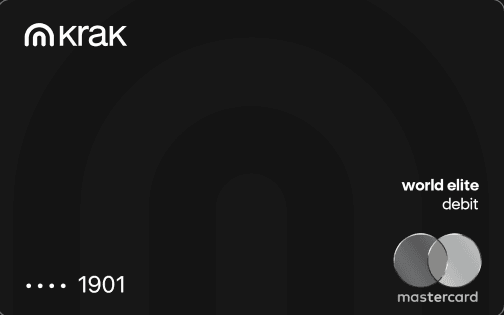
1. Krak Mastercard
Transparent Spending: Mid-Market Rates + 1% Back

2. Plus (Ruby Steel)
Entry-Level Staking: $500 Stake + 2% Cashback
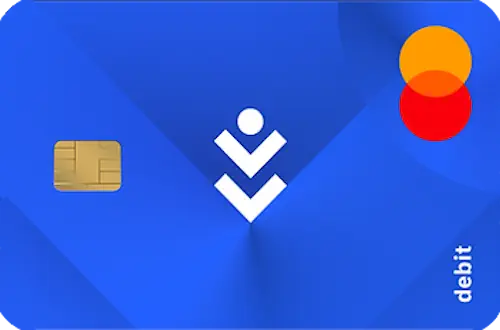
3. COCA Visa Card
Self-Banking: 8% Cashback + 6% APY + 0% FX

4. Tria Premium Card
Ultimate Web3 Luxury: 6% Cashback + Zero ATM Fees
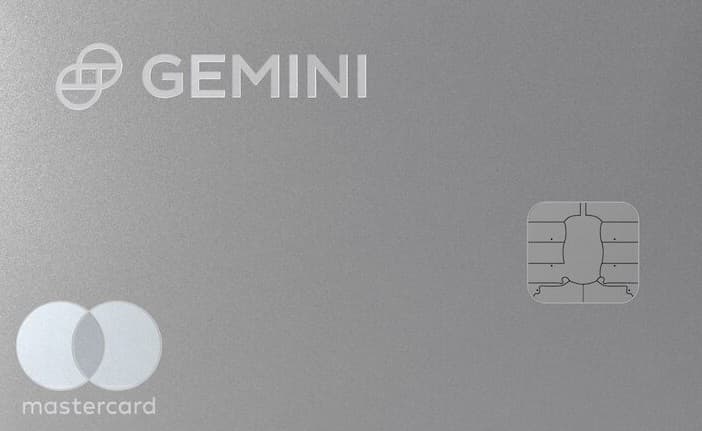
5. Gemini Credit Card
Category Crypto Rewards: 4% Gas/Transit/Rideshare, 3% Dining, 2% Groceries

6. Gnosis Pay Card
Your Keys, Your Card, Your Money
7. Nexo Dual Card
Hybrid Spend Mastery: 2% Rewards + Up to 14% APY Balance

8. ether.fi Core Card
Zero Barriers: 3% Back on Every Purchase, No Stake Required
Before You Stake: What History Teaches
The picks above reflect where the opportunity is today. But staking in crypto cards has a brutal track record that anyone entering this space needs to understand. Some of the tokens people locked for card perks have dropped 80% to 99% while they were locked in. CRO, PLU, GNO, NEXO: every single staking token in the card space is significantly below its all time high. Not one has held its value.
That does not mean staking is always wrong. It means timing, stake size, and token selection matter more than the APY number on the marketing page. > Personally, I would always choose stablecoin staking, but I understand the appeal of chasing higher yields. Even some members of our team sometimes opt for the more exciting non-stablecoin options.
The rest of this page breaks down exactly what went right, what went catastrophically wrong, and how to tell the difference before you commit capital.
Three Numbers That Matter
172% effective yield - According to our data, Crypto.com Ruby ($500 CRO stake) generates $858/year in combined staking yield, cashback, and Spotify rebate at $3,000/month spending. The best risk-adjusted staking deal in crypto cards.
5.2 years to recover - If CRO drops 50% while you hold the Icy White stake ($50,000), it takes 5.2 years of card benefits to break even. At Ruby ($500), recovery takes just 3.5 months. Stake size determines risk.
Up to 10%+ via Krak Vaults (UK only) - Kraken offers three vault tiers: Balanced (up to 5.5% APY), Boosted (up to 9.5%), and Advanced (up to 10%+), all with no lockup and no token risk (25% performance fee on yield). The card itself charges 0% fees with 1% cashback. Available to EEA/UK residents; Vaults are UK only.
Complete Staking Comparison
| Card | Staking Model | Lock Requirement | Yield/APY | Cashback | Annual Fee | Region |
|---|---|---|---|---|---|---|
| CRO Ruby | CRO lockup | $500 / 12 months | ~6% on CRO | 2% | $60/yr or stake | Global |
| CRO Royal Indigo | CRO lockup | $5,000 / 12 months | ~6% on CRO | 3% | $360/yr or stake | Global |
| CRO Icy White | CRO lockup | $50,000 / 12 months | ~6% on CRO | 4% | Stake only | Global |
| CRO Obsidian | CRO lockup | $500,000 / 12 months | ~6% on CRO | 5% | Stake only | Global |
| CRO Prime | CRO lockup | $1,000,000 / 12 months | ~6% on CRO | 8% | Stake only | Global |
| Kraken | Balance yield (Vaults) | $0 (no lockup) | Up to 10%+ via Vaults (UK only) | 1% | $0 | EEA/UK |
| COCA | Balance yield + tier staking | Stake COCA tokens (30-day cooldown) | 6% on stablecoins | Up to 8% | $0 | Global |
| Nexo | Loyalty levels | Hold NEXO tokens | Up to 14% APY | Up to 2% | $0 | EEA/UK/CH |
| Gemini Solana | Auto-stake rewards | $0 | ~6% on SOL rewards | 4% category | $0 | US |
| ether.fi Core | Points system | Free (earn points) | Points to ETHFI | 3% | $0 | Global |
| ether.fi Luxe | Points system | 10K points | Points to ETHFI | 3% | $0 | Global |
| Plutus | PLU lockup | 1-40,000 PLU | Extra perk slots + higher cashback | 3-9% | GBP 6.99-19.99/mo | EEA/UK |
| Binance | BNB holding | BNB VIP levels | N/A | Up to 2% | $0 | Brazil |
| Gnosis Pay | GNO staking (optional) | OG NFT or GNO holding | N/A | Up to 5% | $0 | EEA |
| Tria Signature | Yield-linked | $109/yr | Up to 15% APY | 4.5% | $109 | Global |
| Tria Premium | Yield-linked | $250/yr | Up to 15% APY | 6% | $250 | Global |
How These Models Actually Work
Token lockup (Crypto.com, Plutus): You buy native tokens, lock them for 12 months, and your card tier upgrades immediately with higher cashback, rebates, and lounge access. Staking yield (~6% APY on CRO) accrues weekly. If the token drops below the tier threshold during lockup, your tier stays active. You do not need to top up.
But when the lockup ends, you receive the same number of tokens at whatever they are worth. Crypto.com also offers a subscription path ($4.99/month for Ruby, $29.99 for Pro) that gives the same card benefits with zero token risk but no staking yield.
Balance yield (Kraken, COCA, Nexo): You earn interest on deposited funds without locking anything. Kraken offers up to 10%+ APY via Krak Vaults (UK only, 25% performance fee). COCA pays 6% APY on stablecoin deposits with self-custody. Nexo offers up to 14% APY based on NEXO loyalty level. No tier upgrades, just passive income.
Auto-staking (Gemini Solana Edition): Your cashback rewards in SOL are automatically staked at up to 6.77% APR. You earn rewards on your rewards with zero manual action. The compounding is real but tied to SOL price.
Yield-linked (Tria): You pay an annual fee ($109 Signature, $250 Premium) and earn up to 15% APY on idle USDC through underlying DeFi strategies. No token lockup, no token risk. Your maximum downside is the annual fee.
The Dual ROI Framework
Card staking generates returns from two sources simultaneously. The "effective yield" is much higher than the staking APY alone.
Formula: (Staking APY x Staked Amount) + (Enhanced Cashback x Annual Spend) + (Rebate Value) = Total Annual Return
| Tier | Stake | Staking Yield (6%) | Cashback at $3K/mo | Rebates | Total Annual Value | Effective Yield on Stake |
|---|---|---|---|---|---|---|
| Ruby (sub) | $0 | $0 | $720 (2%) | $168 (Spotify) | $828 | N/A (no stake) |
| Ruby (stake) | $500 | $30 | $720 (2%) | $168 (Spotify) | $858 | 172% |
| Royal Indigo (stake) | $5,000 | $300 | $1,080 (3%) | $354 (Spotify+Netflix) | $1,734 | 35% |
| Icy White | $50,000 | $3,000 | $1,440 (4%) | $354 | $4,794 | 9.6% |
| Obsidian | $500,000 | $30,000 | $1,800 (5%) | $534 | $32,334 | 6.5% |
| Kraken (no stake) | $0 | Up to 10%+ via Vaults (UK only) | $360 (1%) | $0 | $360 + UK Vault yield | N/A |
| COCA Standard (stake 300) | 300 COCA | 6% on stablecoins | $600 (3% within $1K/mo) | $93 (1 Video) | $693 + yield (COCA risk) | N/A |
Key insight: Ruby via subscription ($4.99/mo) delivers $828/year with zero token risk. Ruby via stake delivers $858/year but with $500 in CRO exposed to price swings. The extra $30/year from staking yield is not worth the token risk for most users. However, at the Royal Indigo tier, staking yield ($300/year) starts to matter.
Worked Examples at Three Spending Levels
Low Spender: $1,000/month
| Component | CRO Ruby (Sub) | Kraken | COCA (300 COCA) |
|---|---|---|---|
| Annual cashback | $240 (2%) | $120 (1%) | $360 (3%) |
| Staking yield | $0 | Up to 10%+ via Vaults (UK only) | 6% on stablecoins |
| Subscription rebates | $168 (Spotify) | $0 | $93 (50% off 1 Video at Standard) |
| Card cost | -$60/yr | $0 | $0 (stake 300 COCA) |
| Net annual value | $348 | $120 + yield | $453 + yield (COCA risk) |
At $1,000/month (fully within COCA Standard's $1K/mo allowance), COCA Standard at $453/year outperforms if you accept COCA token risk. Without token risk, CRO Ruby via subscription wins at $348/year.
Medium Spender: $3,000/month
| Component | CRO Royal Indigo (Stake) | COCA Premium (stake 3K COCA) | Kraken + Gemini SOL |
|---|---|---|---|
| Annual cashback | $1,080 (3%) | $1,560 (5% within $2.5K/mo + 1% on $0.5K) | $360 + $1,440 = $1,800 |
| Staking yield | $300 (6% on $5K) | 6% on stablecoins | Up to 3.6% Vault (UK only) + 6% on SOL rewards |
| Subscription rebates | $354 (Spotify+Netflix) | $213 (50% off Video + AI, 2 categories) | $0 |
| Token at risk | $5,000 CRO | 3,000 COCA | $0 |
| Net annual value | $1,734 (+ CRO risk) | $1,773 (+ COCA risk) | $1,800 + yield (no token risk) |
At $3,000/month, COCA Premium generates $1,773/year (5% within $2.5K/mo allowance, then 1%) but requires staking 3,000 COCA tokens (locked during membership, 30-day cooldown). The zero-token-risk alternative is splitting spend between Kraken (0% fees, 1% cashback; yield via Vaults UK only) and Gemini Solana (4% category cashback with auto-staked SOL, US only).
High Spender: $8,000/month
| Component | CRO Icy White ($50K stake) | COCA Elite (stake 30K COCA) | Wirex Elite (no stake) |
|---|---|---|---|
| Annual cashback | $3,840 (4%) | $7,680 (8% within $10K/mo) | $7,680 (8%) |
| Staking yield | $3,000 (6% on $50K) | 6% on stablecoins | $0 |
| Subscription rebates | $354 | $387 (4 categories at 50% off) | $0 |
| Lounge access | Unlimited + guest | None | None |
| Token at risk | $50,000 CRO | 30,000 COCA | $0 |
| Card cost | $0 (stake-only) | $0 | $360/yr |
| Net annual value | $7,194 (+ CRO risk) | $8,067 + yield (COCA risk) | $7,320 (no risk) |
At $8,000/month, pure cashback on Wirex Elite ($7,320/year, zero token risk) competes with staking cards. Crypto.com Icy White adds $3,000 in staking yield plus lounge access, but puts $50,000 at risk. The staking yield must cover potential token drops. See the high-spender guide for the full multi-card strategy.
Gemini Solana: The Compounding Loop
Gemini Solana Edition is the only card that automatically compounds your rewards. Here is how the math works over 3 years at $2,000/month spending:
| Year | Annual Spend | 4% SOL Rewards | ~6% Auto-Stake Yield | Cumulative SOL Held | Total Value (if SOL stable) |
|---|---|---|---|---|---|
| Year 1 | $24,000 | $960 | $29 | $989 | $989 |
| Year 2 | $24,000 | $960 | $88 | $2,037 | $2,037 |
| Year 3 | $24,000 | $960 | $150 | $3,147 | $3,147 |
Over 3 years, the auto-staking yield adds $267 on top of $2,880 in base rewards. The compounding is modest at low balances but grows meaningfully over time. The catch: you are accumulating SOL, so if SOL drops 50%, your $3,147 becomes $1,574. This strategy is best for users who are long-term bullish on Solana. US only, $0 annual fee.
Token Volatility Risk: The Staking Trap
The biggest risk in card staking is not the lockup period. It is the token price moving against you while you cannot sell.
| Tier | Stake | Scenario: Token -30% | Scenario: Token -50% | Annual Card Value | Years to Recover -50% |
|---|---|---|---|---|---|
| Ruby | $500 | -$150 | -$250 | $858 | 0.3 years |
| Royal Indigo | $5,000 | -$1,500 | -$2,500 | $1,734 | 1.4 years |
| Icy White | $50,000 | -$15,000 | -$25,000 | $4,794 | 5.2 years |
| Obsidian | $500,000 | -$150,000 | -$250,000 | $32,334 | 7.7 years |
| Plutus (Hero 2K PLU, 4%) | Varies | -30% of PLU value | -50% of PLU value | GBP 480/yr extra perks | Depends on PLU price |
The Ruby exception: At $500, a 50% CRO drop costs $250. The card generates $858/year in total value. You recover the loss in 3.5 months. This is why Ruby is the only tier where staking genuinely makes sense for most users. At every higher tier, the recovery period stretches to years.
What Actually Happened: Real Outcomes
These are not hypothetical scenarios. These are real outcomes based on actual token prices.
CRO peaked at $0.99 in November 2021 during the Staples Center naming and Matt Damon campaign. It trades at approximately $0.07 today, a 93% decline. Someone who staked $50,000 for Icy White at $0.50 in early 2022 now holds roughly $7,000 worth of CRO. After four years of card benefits (approximately $19,000), they are still down over $24,000 net.
Meanwhile, someone who staked $500 for Ruby at the same price lost $430 on the token but earned $3,400+ in card benefits. Ruby survived. Icy White did not.
PLU (Plutus) is the most extreme example in the crypto card space. PLU peaked at approximately $26.50 in January 2022 and trades at $0.15 today, a 99.4% collapse. The token's market cap is $2.6 million. Someone who staked 2,000 PLU at $20 for the Hero tier committed $40,000. That stake is now worth $300. Four years of extra perk benefits returned maybe $1,900. Net loss: approximately $37,800. The card itself still works on a subscription, but the staking bet was catastrophic.
GNO (Gnosis Pay) dropped from $644 to approximately $126, an 80% decline. NEXO dropped from $4.63 to $0.89, an 81% decline. SOL dropped from $295 to $87, a 70% decline, meaning Gemini Solana users who earned rewards near the ATH have seen their cashback lose two thirds of its value.
The pattern is consistent: every single token used for card staking is significantly below its all time high. Not one has held value over a full market cycle. This does not mean token staking is always wrong. CRO at $0.07 today is a very different entry point than CRO at $0.50. But the history makes one thing clear: stake size is the primary risk variable, not APY.
The Subscription vs. Staking Decision
Crypto.com offers both subscription and staking paths to the same tiers. The choice depends on your CRO outlook.
| Tier | Subscription Cost | Stake Amount | Staking Yield | Subscription Saves if CRO Drops | Staking Wins if CRO Rises |
|---|---|---|---|---|---|
| Ruby | $60/yr ($4.99/mo) | $500 CRO | $30/yr | CRO drops > 6% | CRO rises > 6% |
| Royal Indigo | $360/yr ($29.99/mo) | $5,000 CRO | $300/yr | CRO drops > 1.2% | CRO rises > 1.2% |
| Icy White | N/A (stake only) | $50,000 CRO | $3,000/yr | N/A | N/A |
Decision rule: If you expect CRO to drop more than 6% (Ruby) or 1.2% (Royal Indigo) during the 12-month lockup, choose the subscription. If you are bullish on CRO, stake. At the Icy White tier and above, there is no subscription option: you must stake or use a different card.
Tax Treatment of Staking Rewards
United States (IRS)
Staking rewards are taxed as ordinary income at fair market value when received. If you receive $30 in CRO staking yield, you owe income tax on $30 at your marginal rate. If you later sell the CRO at a higher price, you owe capital gains tax on the appreciation. At a 24% marginal rate, your $300/year Royal Indigo staking yield nets $228 after tax.
European Union
Treatment varies significantly by country:
| Country | Staking Reward Tax | Capital Gains on Staked Tokens | Notes |
|---|---|---|---|
| Germany | Income tax at receipt | Tax-free after 1-year hold | Extended 10-year rule removed |
| Portugal | 0% (personal) | 28% if held < 1 year | Favorable for stakers |
| France | 30% PFU (flat tax) | Included in PFU | Simple but high rate |
| Slovenia | 0% until 2026 | 0% until 2026 | Transitional period |
| Luxembourg | Income tax | Tax-free after 6 months | Shortest hold period in EU |
See the tax-conscious guide and individual country pages for jurisdiction-specific rules.
Five Mistakes with Card Staking
Mistake 1: Staking $50,000 for $354/Year in Rebates
Crypto.com Icy White gives Spotify + Netflix rebates worth $354/year on a $50,000 CRO stake. That is a 0.7% return from rebates alone. A 5% savings account on $50,000 earns $2,500/year. Only stake at the Icy tier if the combined value (4% cashback + lounges + staking yield + rebates) justifies the token risk at your spending volume.
Mistake 2: Ignoring the Subscription Alternative
Crypto.com Ruby via subscription ($4.99/month) gives you the same 2% cashback and Spotify rebate as the $500 CRO stake, with zero token risk. The subscription costs $60/year. The staking yield on $500 CRO is only $30/year. You pay $30/year more in subscription fees than you earn in staking yield, but you eliminate all downside risk.
Mistake 3: Comparing Staking APY Without Total Cost
Tria Premium advertises up to 15% APY but costs $250/year. Kraken offers up to 3.6% APY via Krak Vaults (UK only, 25% performance fee). On a $5,000 balance, Tria yields $750 minus $250 fee = $500 net. Kraken Vault yields approx. $135 net (2.7% after performance fee) with $0 card fees. Tria wins on yield, but you must verify the 15% rate is consistently achievable and factor in the annual fee. Always calculate net yield after all fees.
The Bottom Line
The most valuable staking card is not the one with the highest APY. It is the one where (Annual Card Value - Card Cost - Expected Token Loss) = Highest Positive Number.
Three setups have guaranteed positive returns with zero token risk: Kraken (up to 10%+ APY via Vaults UK only, 1% cashback, $0 card cost), Crypto.com Ruby via subscription ($4.99/month, 2% cashback, Spotify rebate), and Tria Premium ($250/year, up to 15% APY on USDC, 6% cashback). COCA at 6% APY on stablecoins is the safest high-yield option with self-custody, though higher cashback tiers require COCA token staking.
Every token lockup tier requires you to bet on price stability. History shows that bet has gone badly for every staking token in the card space so far. That does not mean it will always go badly, especially at today's lower entry prices. But it does mean you should size your stake so that a 50% drop is recoverable from card benefits alone. At Ruby ($500), that takes 3.5 months. At Icy White ($50,000), it takes over 5 years. That gap tells you everything you need to know about stake sizing.
Disclaimer: SpendNode is a data comparison platform. We are not financial advisors. Crypto cards involve risks including asset volatility, custodial risk, and tax complexity. Verify all terms directly with issuers before applying.
Written by Aleksandar Dukic
Frequently Asked Questions
How does card staking differ from DeFi staking?
Card staking locks tokens to unlock card benefits (higher cashback, lounge access, rebates) while sometimes earning yield on the locked tokens. DeFi staking only generates yield. Card staking provides dual utility: card perks plus potential token appreciation.
What is the minimum amount needed to start staking for a card?
Crypto.com Ruby requires a $500 CRO stake (12-month lockup) or a $4.99/month subscription with no staking. Plutus requires as little as 500 PLU (Adventurer tier) for an extra perk slot. COCA requires staking 300 COCA tokens for Standard tier benefits (locked during membership, 30-day cooldown to unstake). Kraken requires no staking and pays 1% cashback with 0% fees. UK users can access up to 3.6% APY via Krak Vaults (not available in EEA).
Can I unstake my tokens early?
Most cards require 12-month lockups. Crypto.com requires a full 12-month CRO stake. Unstaking early typically forfeits rewards and immediately downgrades your card tier, losing premium cashback rates, lounge access, and subscription rebates.
Is staking for a crypto card worth it in 2026?
At the Ruby level ($500 CRO), the risk is manageable and the Spotify rebate alone covers the opportunity cost. At higher tiers ($5K+), you need the combined value of cashback, rebates, and lounge access to justify the token risk. At $50K+ tiers, the math rarely works unless you are already bullish on CRO.
What happens if my staked token drops 50%?
Your card tier stays active for the remainder of the lockup period, but you lose $250+ on a $500 stake. At the $5,000 Pro tier, a 50% drop costs $2,500 while you earn roughly $315/year in staking yield. It takes 8 years of yield to recover that loss.
Do staking rewards compound automatically?
No. Crypto.com pays CRO staking rewards weekly but does not auto-compound. You must manually restake earned CRO. Kraken offers up to 3.6% APY via Krak Vaults (UK only, 25% performance fee). COCA pays 6% APY on stablecoins with automatic reinvestment.
Which cards pay yield without requiring a token lockup?
Kraken offers up to 3.6% APY via Krak Vaults (UK only, not on card balance directly, 25% performance fee). COCA pays up to 6% APY on stablecoins with no lockup. Nexo pays up to 14% APY based on your loyalty level. Gemini Solana Edition auto-stakes your SOL rewards at approximately 6% yield.
Are staking rewards taxable?
In the US, staking rewards are taxed as ordinary income at fair market value when received. In the EU, treatment varies: Germany taxes staking as income but capital gains are tax-free after 1 year of holding. Portugal maintains 0% on personal crypto staking. Track your cost basis from the day you receive each reward.
What is the difference between staking for tiers and yield on balances?
Staking for tiers (Crypto.com, Plutus) locks tokens to unlock better card features like higher cashback and lounge access. Yield products (Kraken Krak Vaults UK only, COCA, Nexo up to 14% APY) pay interest without locking tokens. Tier staking carries token price risk. Balance yield carries platform/smart contract risk.
Recent Updates to Best Staking Crypto Cards
- Updated Kraken Krak Vaults yield from 3.6% to current tier structure (up to 10%+ APY). Updated CRO price references to current $0.07 level
- Added real historical outcome data for CRO, PLU, GNO, NEXO, and SOL stakers with actual gain/loss calculations at different entry points
- Removed Plutus from Top X (token down 99.4%, $2.6M market cap). Added Tria Premium to #4 (zero token risk, $250/yr fee caps downside). Nexo US return noted (Bakkt partnership, Feb 2026)
- Added human intro, methodology box with forward-looking framing, editorial verdicts for all 8 cards. Removed redundant Three Types, Quick Picks, Sub-Types, and Card Selection sections