Traditional credit card fraud is a game of "Cat and Mouse" played by banks using centralized AI models. In the world of crypto cards, a new defender has entered the arena: the Smart Contract. In 2026, the shift toward "Self-Custody Spending" has enabled a level of programmable security that traditional banks simply cannot match.
Why This Topic Matters Now
In 2025 alone, billions were lost to "Drainer" contracts and "Phishing" attacks. When you link your crypto wallet to a physical card, you are creating a "Bridge" that hackers can target. Understanding how to use on-chain safeguards—like Account Abstraction (ERC-4337)—is the difference between a secure off-ramp and a total wallet wipeout.
Core Explanation (Direct Answer Format)
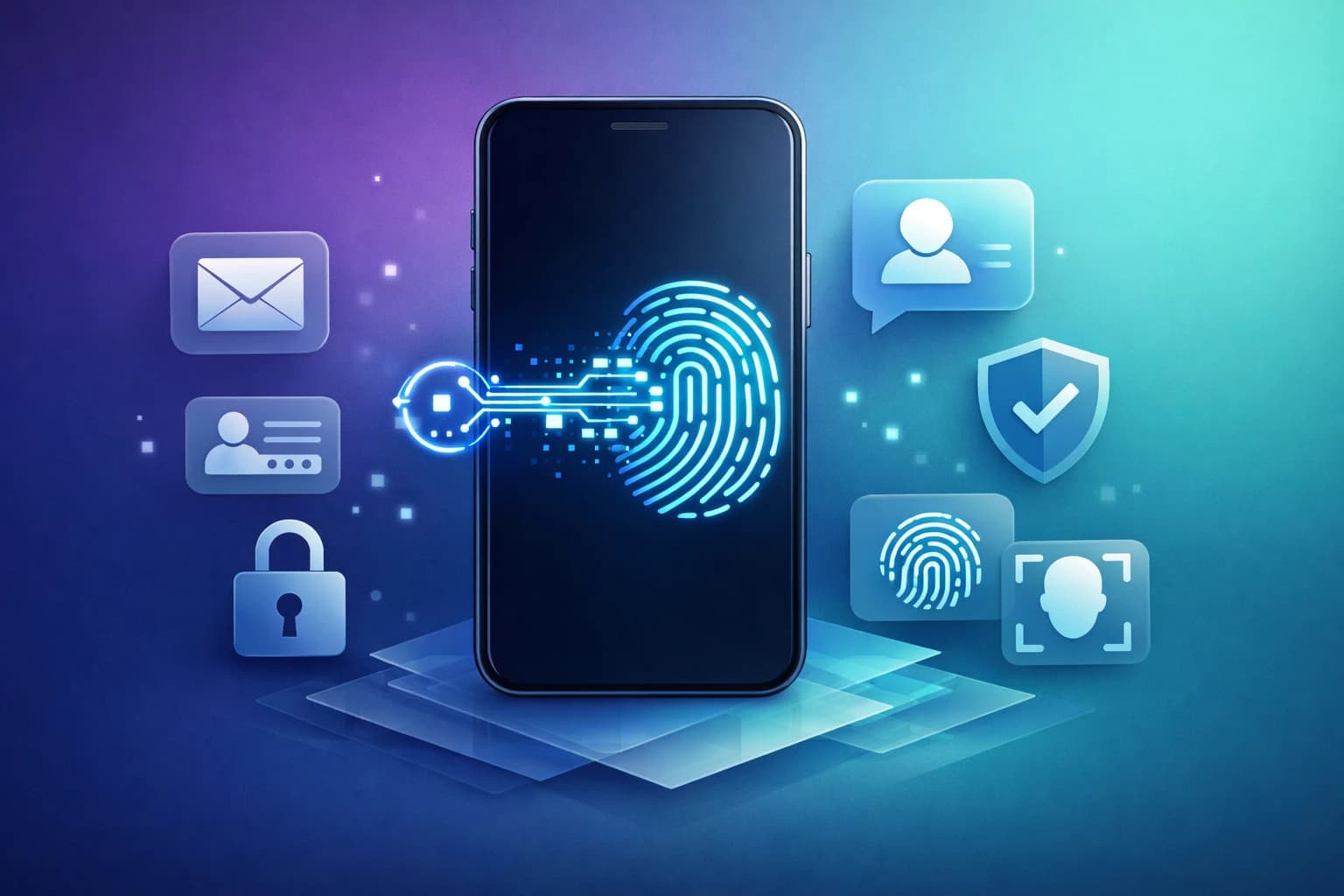
Smart contract fraud protection uses "Programmable Logic" to set rules for how and when your money can be spent. Unlike a bank (which you have to call to "freeze" a card), you can write the "Freeze" logic directly into your wallet's code.
On-Chain Spending Limits
With a smart-contract wallet (like Safe or Braavos), you can set a "Daily Spend Limit" on-chain. If someone steals your physical card and tries to buy a $10,000 watch, the smart contract will automatically reject the transaction because it exceeds the $500 limit you programmed—even if your balance is $1,000,000.
The "Guardian" System
"Social Recovery" allows you to designate "Guardians" (other wallets you own, or wallets of trusted friends). If your card is lost, a majority of these guardians can "Vote" to rotate your card’s access key to a new device. This replaces the insecure "Seed Phrase" and the slow "Bank Support Call" with a decentralized safety net.
Market Benchmarking & ROI Math
Is "On-Chain Security" worth the extra setup?
| Feature | Legacy Card (Visa/MC) | Smart Contract Card (e.g., Gnosis Pay) |
|---|---|---|
| Fraud Response | Reactive (Call the bank) | Proactive (Rule-based rejection) |
| Spending Limits | Bank-controlled | User-controlled (on-chain) |
| Freeze Speed | 5-10 minutes | Under 5 seconds (On-chain) |
| Whitelisting | None | Merchant-specific whitelists |
The "Fraud ROI" Math: The average time to resolve a traditional credit card fraud claim is 15-45 days. With a smart contract card, the "Attempted Fraud" never leaves your wallet, meaning your "Time to Recovery" is 0 days. The ROI is measured in the "Avoidance of Liquidity Lock"—your money never goes missing in the first place.
Real-World Implications & Regulatory Context
Regulators are starting to recognize "Code as Compliance." In some jurisdictions, if you can prove your card uses ERC-4337 (Account Abstraction) with a "Time-Lock" feature, you may be eligible for lower insurance rates on your crypto holdings. However, there is a "Liveness" risk: if the blockchain is congested, your "Freeze" transaction might not confirm instantly, giving a hacker a small window to act.
Common Mistakes or Myths
A common myth is that "Smart contracts are unhackable." While the logic is solid, the implementation can have bugs. Always use cards built on audited architectures (like Safe). Another mistake is setting a "Daily Limit" that is too high. A $5,000 limit is "safe" for a millionaire, but it's "lethal" for a user with $6,000. Your limit should reflect your Actual Daily Need, not your Total Balance.
How This Relates to Crypto Cards
On SpendNode, we give a "Programmability Score" to every card. We favor cards that allow you to set On-Chain Limits and Multi-sig Approvals for large card loads. We believe the future of card security is not "Insurance" (paying for a loss), but "Prevention" (making the loss impossible).
FAQ (Blog-Level)
What is ERC-4337 and why does it matter for my card?
ERC-4337 allows your wallet to act like a smart contract. This is what enables features like "Paying gas in stablecoins" and "Setting spending limits" that make crypto cards feel like "Magic Banks."
Can I "Undo" a transaction with a smart contract?
No. Once a transaction is confirmed on the blockchain, it is final. The smart contract's job is to Prevent the transaction from happening, not to reverse it after the fact.
Who are "Guardians" for my card?
They can be your hardware wallet (Ledger), your spouse’s wallet, or a professional "Security-as-a-Service" provider. You need a 2-of-3 or 3-of-5 "Vote" to recover your account.
Overview
Smart contracts are turning the "Defensive" game of fraud protection into an "Offensive" strategy. By programming your own rules, you are no longer a victim waiting for a bank to save you—you are the architect of your own security.
If you are moving significant capital into the crypto card space in 2026, don't settle for a "Digital Mirror" of a legacy bank. Demand a card that is Programmable, Verifiable, and Unstoppable.