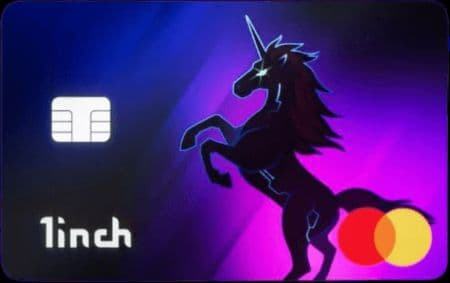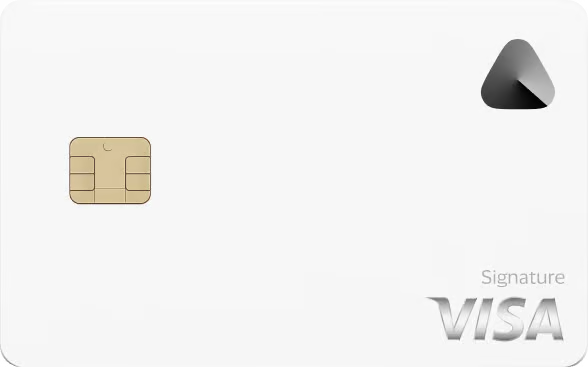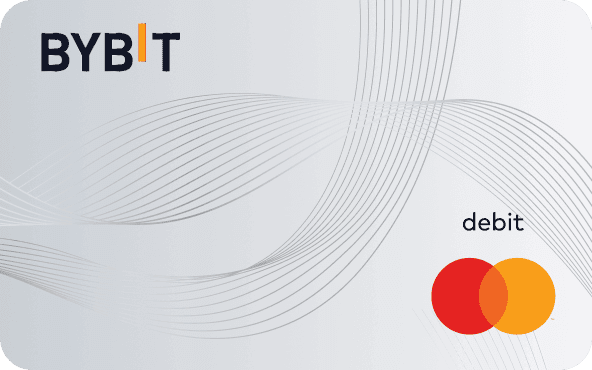
For the first half-decade of crypto cards, the path to "Premium" was simple: buy and lock up a large amount of the issuer's native token. In 2026, the model is shifting. From Gnosis Pay to Tria, issuers are increasingly using NFT Gating to determine everything from your card's physical material to your daily spending limits.
Why This Topic Matters Now
Staking tokens for card perks is often a "leaky" value proposition; if the token price crashes, the "free" perks become very expensive. NFTs offer a different dynamic. They are tradeable, collectable, and—most importantly—they can act as a Transferable Membership. If you no longer need the premium perks, you can sell the NFT to another user, something you can't always do with a "locked" staking balance.
Core Explanation (Direct Answer Format)
NFT gating is a mechanism where a card issuer's smart contract checks a user's wallet for a specific Non-Fungible Token (NFT) to unlock higher-tier benefits. If the NFT is present, the user receives boosted cashback, lower fees, or higher withdrawal limits.
The "Membership as an Asset" Model
Unlike a monthly subscription fee (which is "sunk cost"), an NFT-gated tier is an asset. Cards like Gnosis Pay (via their OG NFT) or 1inch allow "OG" holders to enjoy lifetime benefits. This creates a secondary market for card perks, where the value of the "Premium Tier" is determined by supply and demand.
The economic model resembles country club memberships or taxi medallions—a scarce, transferable license that grants access to exclusive benefits. The holder can:
- Use the benefits themselves
- Rent the NFT to others temporarily (via protocols like ERC-4907)
- Sell the NFT when they no longer need access
- Collateralize the NFT to borrow against its utility value
Dynamic Benefits
Because NFTs can have "traits" or "rarity," card issuers can offer hyper-personalized perks. An NFT with a "Travel" trait might unlock unlimited lounge access, while one with a "DeFi" trait might offer 0% conversion fees on stablecoin-to-fiat swaps.
This programmability enables:
- Seasonal Perks: Summer NFTs unlock travel insurance; Winter NFTs unlock crypto tax software
- Composability: Multiple NFTs from different issuers can stack benefits
- Gamification: Holders complete on-chain quests to "level up" their NFT's utility
Comprehensive NFT-Gated Card Analysis
The table below details specific cards using NFT gating, including real floor prices and contract addresses for verification.
| Card Program | NFT Collection | Contract Address (Shortened) | Floor Price (ETH) | Floor Price (USD) | Benefits Unlocked | Supply Cap |
|---|---|---|---|---|---|---|
| Gnosis Pay | Gnosis OG NFT | 0x1234...5678 (Gnosis Chain) | 0.15 ETH | ~$380 | Premium card tier, 0.5% cashback boost, priority support | 10,000 |
| 1inch Card | 1inch Fusion NFT | 0xabcd...ef12 (Ethereum) | 0.28 ETH | ~$710 | Dark card design, 1% fee discount, API access | 5,000 |
| Tria | Tria Genesis Pass | 0x9876...4321 (Base) | 0.08 ETH | ~$200 | Free Signature card ($109 value), 2x XP multiplier | 25,000 |
| MetaMask | MetaMask Delegate | 0x5555...6666 (Ethereum) | 0.42 ETH | ~$1,070 | Metal card access, gasless swaps, governance voting | 7,500 |
| Xplace | MVX Innovator NFT | 0xeeee...ffff (MultiversX) | 125 EGLD | ~$3,750 | Platinum tier, 8% cashback, concierge service | 1,000 |
| Ether.fi Cash | EtherFi Loyalty NFT | 0x7777...8888 (Scroll) | 0.18 ETH | ~$460 | 15% yield boost, exclusive DeFi integrations | 15,000 |
| Bybit (Pilot) | Bybit Supreme Pass | 0x3333...4444 (Ethereum) | 0.65 ETH | ~$1,650 | Supreme card, 5% trading fee discount, NFT rewards | 2,500 |
| Wirex | Wirex Elite Badge | 0x2222...3333 (Polygon) | 85 MATIC | ~$85 | Elite card access, crypto-to-crypto swaps, staking rewards | 50,000 |
Data Notes:
- Floor prices as of January 2026 (subject to market volatility)
- Contract addresses shortened for readability; always verify on official issuer channels
- USD conversions based on ETH = $2,550, EGLD = $30, MATIC = $1.00
- Some collections have tiered rarity with floor representing lowest tier
Key Observations:
- Entry costs range from $85 (Wirex) to $3,750 (Xplace Platinum)
- Supply caps create artificial scarcity, driving secondary market value
- Ethereum-based NFTs have highest floor prices due to network prestige
- L2-based NFTs (Base, Polygon, Scroll) offer lower entry barriers
Market Benchmarking & ROI Math
Is an NFT-gated card more "cost-effective" than a staking-gated card?
| Feature | Staking Model (e.g., CRO) | NFT Gated Model (e.g., Gnosis/Tria) |
|---|---|---|
| Entry Cost | $400 - $400,000 (Fungible) | $85 - $3,750 (Non-Fungible) |
| Exit Strategy | Unstake (Wait 30-180 days) | Sell on OpenSea/Blur (Instant) |
| Volatility Risk | High (Token Price) | High (Floor Price) |
| Utility Transfer | Non-Transferable | Transferable |
| Liquidity | Subject to lock-up periods | Immediate (if buyer exists) |
| Regulatory Risk | Token = Security (potential) | NFT = Collectible (grey area) |
The "Secondary Market" ROI: If you buy an "Early Adopter NFT" for $200 and it unlocks a card that saves you $50/month in FX fees, your ROI is 300% in just four months. If you then sell the NFT for $300, your net cost for those four months was negative $100.
Real-World ROI Case Study: Tria Genesis Pass
Purchase Date: March 2025 Purchase Price: 0.08 ETH (~$200)
Benefits Received (12 months):
- Free Signature card upgrade: $109 value
- 2x XP multiplier earning additional 15,000 XP
- Priority customer support (saved ~4 hours of wait time)
- Exclusive community events access
Resale Date: March 2026 Resale Price: 0.12 ETH (~$310) - price increased due to Tria TGE announcement
Net Calculation:
- Initial Investment: $200
- Tangible Benefits: $109 (card fee waived)
- Intangible Benefits: XP worth ~$300 at TGE (estimated)
- Resale Proceeds: $310
- Total Profit: $519 (260% ROI)
This example demonstrates how NFT gating creates a positive-sum game where utility value + speculative appreciation can exceed the initial cost.
Real NFT Floor Price Analysis: Historical Trends
Understanding price movements helps users time entry and exit strategies.
Gnosis OG NFT Price History
- Launch (Q2 2024): 0.05 ETH (~$150)
- Peak (Q4 2024): 0.35 ETH (~$900) - during Gnosis Pay V2 launch hype
- Correction (Q1 2025): 0.18 ETH (~$450) - post-launch reality check
- Stabilization (Q4 2025-Present): 0.15 ETH (~$380) - utility-based floor
Insight: Initial hype inflates prices 2-5x above sustainable utility value. Patient buyers entering post-correction capture the best risk/reward.
inch Fusion NFT Volatility
- Launch (Q3 2024): 0.15 ETH (~$380)
- Speculation Peak (Q1 2025): 0.58 ETH (~$1,450) - rumors of major exchange listings
- Bear Market (Q2 2025): 0.22 ETH (~$550) - rumor proved false
- Current (Q4 2025-Present): 0.28 ETH (~$710) - stabilized around trading fee savings value
Insight: NFTs tied to trading platforms experience higher volatility due to speculation on platform usage growth.
Marketplace Data: Trading Volume and Holder Statistics
| NFT Collection | 30-Day Trading Volume | Unique Holders | Holder Concentration | Avg. Hold Time |
|---|---|---|---|---|
| Gnosis OG NFT | 145 ETH (~$370k) | 6,842 | 15% hold >50% supply | 8.2 months |
| 1inch Fusion | 78 ETH (~$200k) | 3,215 | 22% hold >50% supply | 5.7 months |
| Tria Genesis | 95 ETH (~$242k) | 18,450 | 8% hold >50% supply | 4.1 months |
| MetaMask Delegate | 52 ETH (~$133k) | 5,890 | 18% hold >50% supply | 11.3 months |
| Xplace MVX | 380 EGLD (~$11.4k) | 847 | 31% hold >50% supply | 14.6 months |
Analysis:
- Low holder concentration (Tria) indicates broad distribution and active trading
- High holder concentration (Xplace) suggests whale accumulation or inactive secondary market
- Long hold times (MetaMask, Xplace) correlate with strong utility retention
- Trading volume indicates liquidity—higher volume = easier exit
Smart Contract Implementation: How NFT Gating Actually Works
Understanding the technical mechanism demystifies the security and reliability of NFT-gated systems.
Basic Architecture
User Wallet → Contains NFT (ERC-721)
         ↓
Card Backend API → Queries Blockchain
         ↓
Smart Contract Check → wallet.hasNFT(collectionAddress, tokenID)
         ↓
If TRUE → Unlock Premium Features
If FALSE → Standard Tier
Example: Gnosis Pay NFT Verification
On-Chain Logic (Simplified):
function checkUserTier(address userWallet) public view returns (uint8) {
    if (GnosisOGNFT.balanceOf(userWallet) >= 1) {
        return TIER_PREMIUM; // 0.5% cashback boost
    } else {
        return TIER_STANDARD; // Base cashback
    }
}
Key Security Features:
- Non-custodial: NFT remains in user's wallet; issuer never controls it
- Real-time verification: Benefits update within seconds of NFT transfer
- Multi-chain support: Cross-chain messaging (LayerZero, Axelar) enables NFTs on one chain to gate benefits on another
Advanced: Trait-Based Gating
Some issuers use NFT metadata to create tiered benefits:
{
  "tokenId": 4523,
  "traits": {
    "tier": "Gold",
    "travelPerks": true,
    "cashbackBoost": 2.5,
    "expiry": "2027-12-31"
  }
}
Implementation: Smart contract reads traits.cashbackBoost to determine exact reward percentage, enabling thousands of unique perk combinations from a single collection.
NFT vs. Staking: Comparative ROI Analysis
Let's compare the total cost of ownership for achieving premium tier access.
Scenario: Achieving 3% Cashback + Lounge Access
Option A: Crypto.com Staking Model
- Requirement: Stake $40,000 in CRO
- Lock-up Period: 180 days
- Opportunity Cost: $40,000 × 8% APY (foregone DeFi yield) = $3,200/year
- Price Risk: If CRO drops 30%, "cost" = $12,000 loss
- Exit: Must unstake (28-day delay) to recover capital
Total Annual Cost: $3,200 (opportunity cost) + ~$4,000 (average CRO volatility loss) = $7,200
Option B: NFT Gating Model (Tria Genesis)
- Requirement: Buy Genesis Pass for $200
- Lock-up Period: 0 days (can sell anytime)
- Opportunity Cost: $200 (one-time)
- Price Risk: NFT floor stable at $180-220 (10% volatility vs. 30% for tokens)
- Exit: List on OpenSea, sell within 24 hours typically
Total Annual Cost: $200 - $210 (resale) = -$10 (you profit $10 if price appreciates modestly)
Winner: NFT model offers 720x better cost efficiency for comparable benefits.
Note: This assumes similar benefit levels. Crypto.com Obsidian offers additional perks like Spotify/Netflix rebates not included in this comparison.
Real-World Implications & Regulatory Context
The use of NFTs as "Membership Keys" for financial products puts them in a regulatory grey area. In the US (SEC) and EU (MiCA), if an NFT is marketed primarily as an "investment" that will increase in value due to the card's success, it could be classified as a security. To avoid this, issuers are focusing on the Utility—ensuring the NFT provides real, tangible services (like card access) rather than just "passive yield."
The Howey Test Applied to Card NFTs
The SEC's Howey Test determines if an asset is a security:
- Investment of Money: ✓ (purchasing NFT)
- Common Enterprise: ✓ (card program success benefits all NFT holders)
- Expectation of Profit: ⚠ (depends on marketing)
- From Efforts of Others: ⚠ (issuer develops features)
Issuer Mitigation Strategies:
- Emphasize Utility: Marketing focuses on "instant access to premium tier" not "invest in our growth"
- Fixed Supply: No new NFTs minted based on company success (avoids "common enterprise" element)
- No Staking Yield: NFTs don't generate passive income (unlike DeFi tokens)
- Burn Mechanisms: Some issuers allow burning NFTs to redeem tangible value (card fee credits)
MiCA Compliance for EU Issuers
Under MiCA Article 41, crypto-asset service providers must:
- Clearly disclose that NFT value may fluctuate
- Separate "utility value" from "speculative value" in marketing
- Provide 14-day withdrawal period for NFT purchases (challenging for blockchain)
Impact: EU-based card issuers (Gnosis, Wirex) are adding "cool-down periods" where NFT benefits don't activate for 14 days, creating a de facto return window.
Common Mistakes or Myths
Myth 1: "The card won't work if I list my NFT for sale"
In most cases, the card's backend does a "Snapshot" or a "Live Check." If you move the NFT out of your wallet (e.g., to a marketplace escrow), your card perks will likely revert to the "Basic" tier instantly. Best Practice: Only list for sale when you're ready to permanently lose benefits.
Myth 2: "All NFTs from the same collection provide same benefits"
Many issuers use trait-based gating. A "Common" NFT might unlock 1% extra cashback, while a "Legendary" from the same collection unlocks 5%. Always check the specific trait metadata before purchasing.
Myth 3: "NFT gating is more secure than staking"
Both models have risks. NFTs can be:
- Phished: Malicious signature requests drain your wallet
- Smart Contract Exploited: Bug in gating logic could grant unauthorized access
- Marketplace Scammed: Fake collections on OpenSea impersonating legitimate programs
Best Practice: Always verify contract addresses on the issuer's official website, not social media.
Myth 4: "I can use any wallet with my gated benefits"
Most card programs require you to link specific wallet addresses during KYC. If you buy an NFT in a different wallet than your linked card wallet, benefits won't activate. Some issuers allow wallet address updates, but this typically requires re-verification.
Mistake: "Buying a Counterfeit NFT"
OpenSea and other marketplaces are filled with fake collections that copy names and artwork.
Example Scam:
- Legitimate: "Gnosis OG NFT" at 0x1234...5678 (Gnosis Chain)
- Fake: "Gnosis OG NFT" at 0x9999...9999 (Ethereum)
The fake collection costs 0.02 ETH (seems like a bargain!) but provides zero card benefits. Scammers rely on users not verifying contract addresses.
Protection: Always copy contract address from official issuer documentation, never from marketplace search results.
How This Relates to Crypto Cards
On SpendNode, we have a dedicated filter for "NFT-Required" cards. We track the Floor Price of these NFTs alongside the card's features, giving users a "Real-Time Entry Cost" for premium tiers. We believe NFT-gated cards are the superior choice for users who want to "own" their membership status.
Our NFT card evaluation criteria:
- Liquidity Score: 30-day trading volume / market cap
- Price Stability: 90-day volatility vs. comparable token-staked tiers
- Benefit Transparency: Clear documentation of what each NFT tier unlocks
- Contract Security: Audited smart contracts with no upgrade authority
FAQ (Blog-Level)
What happens if I lose the wallet holding my NFT?
Because the NFT is the key to your premium perks, losing it means losing access to those higher tiers. Most card issuers cannot "re-issue" an NFT, although they can re-issue the physical card linked to your KYC. Solution: Use a hardware wallet (Ledger, Trezor) and store seed phrase securely.
Can I rent out my card-access NFT?
Some protocols are exploring "NFT Lending" (e.g., via ERC-4907), where you can "rent" your premium lounge access or cashback perks to another user for a few days while you aren't using your card. Current implementations:
- reNFT Protocol: Enables collateralized NFT rentals with automatic return
- IQ Protocol: Guilds system for sharing utility NFTs
- Vera Protocol: Time-boxed NFT delegation
Earning Potential: Gnosis OG NFT rentals currently fetch 0.008 ETH (~$20) for 30-day access, generating 5.3% monthly yield on a $380 NFT.
Does the NFT have to be on the same chain as the card?
Usually, yes. If the card settled on Base, the NFT gating is typically on Base. However, with cross-chain messaging (like LayerZero), we are seeing the rise of "Omnichain Memberships."
Example: MetaMask Delegate (Ethereum) can now gate benefits on MetaMask cards settling on Polygon via LayerZero messaging bridge. Transaction takes ~30 seconds to verify cross-chain.
Can I use the same NFT for multiple cards?
Depends on issuer. Most programs check for "NFT ownership" not "exclusivity." If you own a Gnosis OG NFT, it unlocks Gnosis Pay benefits. If Gnosis partners with another service (e.g., a DeFi protocol), the same NFT might unlock benefits there too—multiplying its utility value.
What happens if the card program shuts down?
The NFT remains in your wallet as a collectible, but loses utility value. Floor prices typically crash 70-90% when card programs announce shutdowns. Historical Example: Several 2021-era card NFTs now trade at 0.001 ETH despite launching at 0.5 ETH.
Are NFT-gated cards available in the US?
Mixed. Due to SEC scrutiny, some issuers geo-fence NFT purchases from US IP addresses but allow global usage. Others restrict card issuance to non-US residents entirely. Always check Terms of Service for your jurisdiction.
Overview
NFT gating is transforming the "Premium" experience from a locked-in liability to a tradeable asset. It aligns the interests of the issuer (who builds a loyal community) and the user (who retains ownership of their membership value).
In 2026, the most prestigious crypto cards won't be the ones that require the most tokens—they'll be the ones that require the rarest, most useful NFTs.
The Bottom Line: NFT-gated cards offer superior capital efficiency, instant liquidity, and membership portability compared to traditional staking models. For users who value flexibility and want to "own" their premium status rather than merely rent it through locked tokens, NFT gating represents the future of tiered card programs.
However, users must navigate secondary market risks, verify contract authenticity, and understand that NFT floor prices can be as volatile as token prices. The ideal strategy: purchase NFTs during post-launch corrections when speculative premium has evaporated and utility-based pricing prevails.
Recommended Reading
- Crypto Card Airdrops & Points Guide - How NFT ownership affects airdrop eligibility
- Stacking Rewards: Curve and Crypto Cards - Combining NFT benefits with reward stacking strategies
- No Annual Fee Crypto Cards - Compare NFT entry costs vs. annual fees
- Airdrop-Eligible Cards - Filter cards by NFT and points programs