In 2026, "Going Bankless" is no longer a protest; it is a lifestyle choice for the technically literate and the globally mobile. What was once a high-friction experiment involving physical gold and local cash swaps has evolved into a sleek, digital-first ecosystem.
With the maturation of crypto card infrastructure, the rise of stablecoin-native settlement, and the expansion of direct crypto-to-merchant gateways, it is now entirely possible to manage 100% of your financial life—including rent, cars, and mortgages—without ever visiting a traditional bank.
This guide is the definitive manual for living on the off-ramp. We will break down the redundancy strategies, the funding math, and the regulatory shields you need to achieve total financial autonomy in 2026.
1. The "Holy Trinity" of Bankless Redundancy
The biggest mistake a bankless user can make is relying on a single card. In the traditional world, a bank failure is rare. In the crypto world, an "Issuer Freeze" or a "BaaS Crackdown" is a seasonal event.
To live bankless, you must build a Redundancy Stack:
- The Primary Daily Driver (Self-Custodial): This should be your most secure card (e.g., Gnosis Pay or Tria). It stays linked to your own keys. You use this for 80% of your Retail spend.
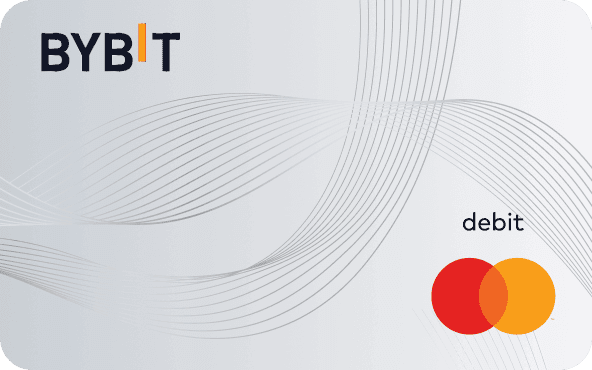
- The High-Limit Backup (Custodial): A card from a major exchange (e.g., Bybit or Coinbase). These cards typically have the highest transaction limits and the best global acceptance rates at "High-Risk" merchants like car rentals or luxury hotels.
- The "Shadow" Backup (TradFi Bridge): Always keep one traditional fintech card (like Revolut or Wise) with a small "emergency" fiat balance. This isn't failing the mission—it's managing the risk of a total network outage.
The Golden Rule: Never keep more than 30% of your total liquid capital in any single card program.
A Brief History of the Off-Ramp: 2017 to 2026
To appreciate the freedom we have today, we must look back at how we got here. In 2017, "spending crypto" meant buying a gift card on a sketchy website and hoping the code worked. By 2021, the first generation of prepaid cards arrived, but they were plagued by high fees and frequent "De-banking" events.
In 2026, the arrival of Direct POS Settlement changed everything. Your crypto is no longer "pre-converted" into a fiat balance. It sits on-chain or in a liquid restaking pool until the exact moment the merchant requests payment. This evolution has reduced the "Cost of Spending" from 5-7% in the early days to less than 1% today.
2. Mastering High-Ticket Expenses
The ultimate test of a bankless lifestyle is how you handle the "Big Three": Rent, Cars, and Mortgages. In 2026, the solutions have moved past "Asking your landlord to take BTC."
Paying Rent
- Direct Settlement: In digital-forward cities like Lisbon, Miami, and Dubai, many property management firms now accept USDC or USDT directly via smart contract.
- Conversion Gateways: Services like Bitrefill or liv.rent act as the bridge. You pay them in crypto, and they send a wire transfer or a check to your landlord. The fee (typically 0.9% to 1.5%) is the price of your privacy and autonomy.
Purchasing Vehicles
Buying a car with crypto has become a standard VIP service.
- Direct Dealerships: Luxury brands like Ferrari, BMW, and Tesla (intermittently) accept BTC.
- The Card Loop: For standard vehicles, the strategy is often to use a High-Limit Crypto Credit Card (like Nexo). You use your crypto as collateral, spend the credit line to buy the car, and then pay back the loan over time using stablecoins. This avoids a massive "Sell Event" and the associated capital gains taxes.
Mortgages and Real Estate: The Tokenized Title
In 2026, US mortgage lenders like Newrez and others have begun accepting crypto assets for mortgage qualification.
- Asset Verification: You don't have to sell your Bitcoin. You simply provide a verified view-key of your wallet to prove you have the net worth to cover the loan.
- Crypto-Backed Loans: You can "Stake" your ETH to secure a 30-year fixed-rate mortgage. If the price of ETH goes up, your loan-to-value (LTV) improves, potentially lowering your interest rate automatically.
The Architecture of a Crypto Mortgage
Behind the scenes, 2026 crypto mortgages are powered by On-Chain Escrow. Your ETH is locked in a smart contract. The contract is programmed to pay the lender monthly in USDC. If you fail to pay, or if the collateral value drops too low, the contract executes a gradual liquidation. This removes the "Bank Manager" from the process and replaces them with an immutable piece of code.
3. Funding Architectures: JIT vs. Prepaid
The "Math" of how your card is funded can cost you thousands of dollars a year in slippage.
Just-In-Time (JIT) Funding
- How it works: Your crypto stays in your wallet earning yield (e.g., in a restaking pool) until the exact second you tap your card.
- The Math: You maximize your "Time in the Market." However, you are at the mercy of the market price at that second. If the market is crashing, you might "Sell the bottom" just to buy a coffee.
- Best For: Stablecoins (USDC/USDT).
Prepaid (Manual Top-Up)
- How it works: You sell $1,000 worth of BTC when the price is high and load it onto your card as fiat.
- The Math: You eliminate price volatility risk for your spending money. But you lose the "Opportunity Cost" of that crypto continuing to grow.
- Best For: Volatile assets (BTC/ETH).
4. Geographic Sovereignty: The 2026 Safe Havens
To live truly bankless, you need to be in a jurisdiction that recognizes your digital assets as legitimate tender. In 2026, four "Safe Havens" have emerged:
- El Salvador: The pioneer. You can pay for a Big Mac or a property tax bill directly in BTC.
- Dubai (UAE): The institutional hub. Zero income tax on crypto gains and a massive network of crypto-friendly luxury merchants.
- Portugal (Lisbon/Madeira): The European gateway. A thriving community of digital nomads and widespread acceptance of crypto cards in local retail.
- Lugano (Switzerland): The "Plan B" city. Where USDT and LVGA are used for municipal taxes and local shopping.
The "Shadow" Hubs of Southeast Asia
While Europe and the Middle East lead in formal regulation, Southeast Asia has become the world's "Shadow Lab" for bankless living. In Bali (Indonesia) and Bangkok (Thailand), digital nomads manage 100% of their life via QR code payments. By linking their crypto cards to local apps like Grab or Gojek, they effectively bypass the entire local banking system. This "App-Based Off-Ramping" is the 2026 meta for those living in emerging markets where local currencies are volatile.
5. Shadow Infrastructure: Beyond the Card
A card is just one tool. A true bankless ninja uses the "Shadow Infrastructure":
- Bitrefill: For buying gift cards for 5,000+ brands (Amazon, Airbnb, Uber) directly with crypto. This avoids the 1% to 2% "Conversion Fee" charged by most cards.
- Binance Pay / Crypto.com Pay: For direct merchant-to-user P2P transfers. This is the "Venmo of Crypto" and is free of network fees.
- P2P Off-Ramps: For when you need a large amount of local fiat in a bank account you don't own (e.g., paying a local contractor).
- Spritz Finance: A 2026 standout that allows you to connect your real-world bills (Credit cards, Utilities) directly to your MetaMask and pay them with on-chain yield.
Privacy in a KYC World
Most crypto cards require KYC (Know Your Customer). To maintain your privacy in 2026, you must use a Privacy-First Middleware. Tools like Railgun or Aztec allow you to hold "Shielded" assets. When you are ready to spend, you unshield only the exact amount needed into your card-linked wallet. This ensures that the card issuer can see your $50 grocery bill, but they cannot see your $1M long-term savings.
Merchant-Side Adoption: Why Businesses are Moving Off-Ramp
In 2026, the push for a bankless lifestyle is being driven as much by merchants as by users. Small and medium businesses (SMBs) are tired of paying 3% interchange fees to Visa and Mastercard. By accepting stablecoins directly (often via a QR code on a crypto card app), they reduce their fees to less than 0.5% and receive instant settlement. This creates a "Virtuous Cycle" where merchants offer discounts to users who pay with crypto, further incentivizing the bankless transition.
6. Case Study: The $1M Bankless Migration
How does a high-net-worth individual move their life off-ramp in 2026? Here is the blueprint:
- Month 1: Establish a Trust-Based Custody setup. Move $1M into a 3-of-5 Multisig wallet.
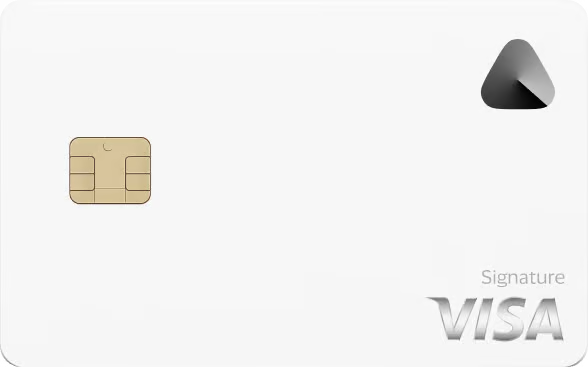
- Month 2: Link a Tria Signature Card to the wallet for a $100k daily spending limit.
- Month 3: Setup Spritz Finance to automate mortgage and insurance payments directly from the wallet's yield.
- Month 4: Close all legacy bank accounts except for one "Bridge" account with $10k for emergencies.
The Result: 100% of their wealth is now earning 4-15% on-chain, and 100% of their expenses are automated via smart contracts.
The "Exit Plan": Navigating the Unexpected
Living bankless requires an Exit Protocol. What happens if your phone is stolen and your "Redundancy Stack" is compromised?
- The Physical Vault: Always keep one unactivated physical card and a hardware wallet in a physical safe (or a safety deposit box that doesn't require a bank account, such as those found in Switzerland or Dubai).
- The Legal Backup: Have a power of attorney or a "Dead Man's Switch" smart contract that transfers access to your heirs if you are incapacitated.
- Liquidity Events: If you suddenly need $500k in physical cash (e.g., for a private business deal), you must maintain a relationship with a high-volume OTC (Over-The-Counter) Desk. In 2026, these desks operate globally and can settle large crypto-to-cash transactions in under 2 hours.
7. The 2026 Overview: Your First 30 Days Bankless
Transitioning to this lifestyle should be done in phases:
- Week 1: Get your "Dual-Card" setup. One self-custodial, one custodial.
- Week 2: Shift your small recurring subscriptions (Spotify, VPN) to your crypto card.
- Week 3: Pay one major bill (Utilities or Phone) using a conversion gateway like Bitrefill.
- Week 4: Withdraw 50% of your fiat from your traditional bank and move it into a Yield-Bearing Stablecoin (like USDe).
The Psychological Shift: From HODLer to User
The hardest part of going bankless is the mental hurdle. For a decade, we were told to "Never sell your Bitcoin." In 2026, we've learned that Spending is not Selling. When you use your crypto card, you are treating your assets as a productive currency. You are no longer waiting for a "Moon" event to live your life; you are living your life using the moon. This psychological shift from "Speculator" to "Citizen of the On-Chain Economy" is the final step in the bankless journey.
Actionable Takeaway
- Audit your "Big Expenses": Call your landlord or car dealership today and ask: "Do you use a payment processor that accepts stablecoins?" You'll be surprised how many say yes in 2026.
- Check your "Spread": Run a test transaction. Compare the price your card charged you for BTC vs. the price on a major exchange. If the gap is >1.5%, you are using the wrong card.
- Diversify Today: If you only have one card, you are one regulatory "glitch" away from being broke. Order your second card tonight.
Recommended Reading
- The 2026 Crypto Card Custody Bible
- Top 10 Crypto Cards for Global Travelers
- How to Pay Your Taxes While Bankless