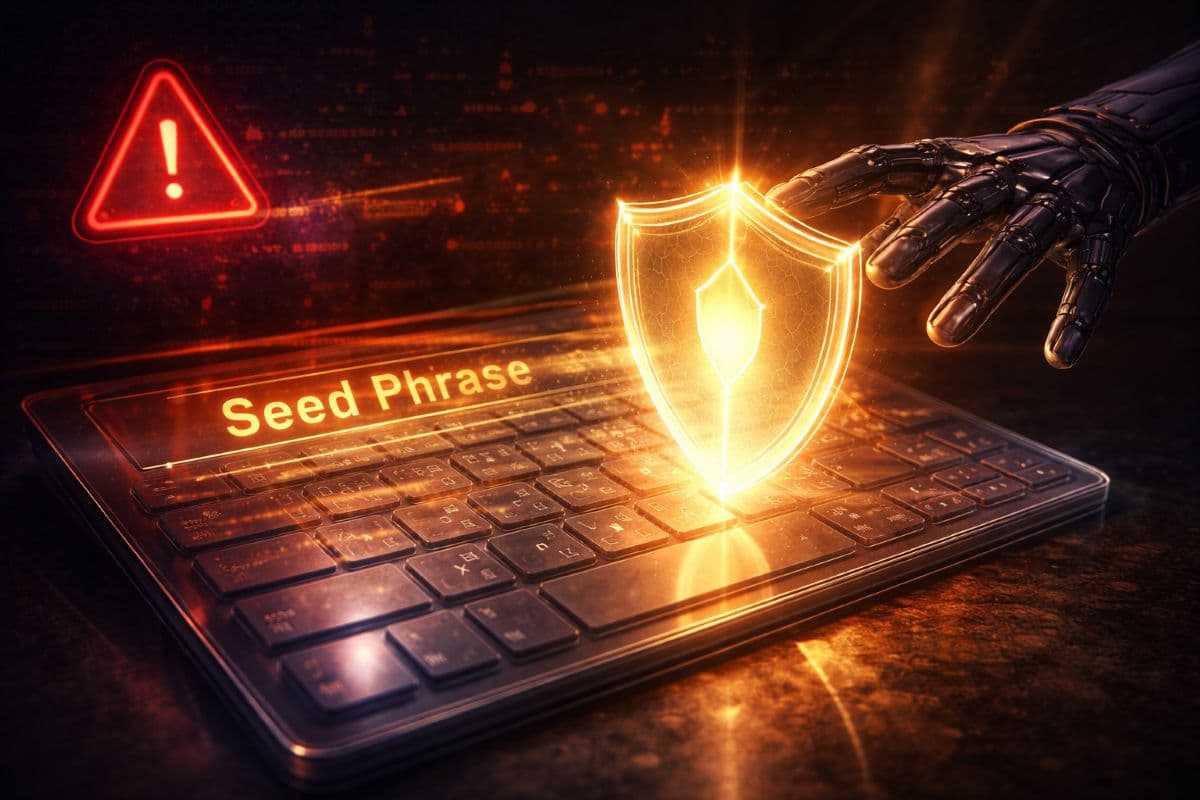
COCA Wallet has announced a major infrastructure upgrade: the platform is migrating to Privy for user authentication. This change eliminates seed phrase management while preserving the wallet's core self-custodial architecture.
Privy Powers 75 Million Accounts and Is Now Stripe-Owned
Privy is not an unknown startup. The wallet infrastructure company powers over 75 million accounts across more than 1,000 developer teams. Major protocols including Hyperliquid, Blackbird, and Farcaster already rely on Privy for user onboarding.
The company was recently acquired by Stripe, positioning it squarely at the intersection of traditional payments and Web3 infrastructure. For COCA users, this means their authentication layer is now backed by one of the largest payment processors in the world.
Privy's core technology combines Trusted Execution Environments (TEEs) with key sharding. This architecture ensures that Privy itself never holds complete private keys. Users maintain full custody of their wallets while benefiting from familiar login methods.
How the New Login Works
The Privy integration introduces multiple authentication options for COCA users:
Email and SMS: Log in with a one-time code sent to your inbox or phone number. No passwords to remember, no seed phrases to store.
Social Login: Connect via Google, Apple, Twitter, Discord, Telegram, or other supported platforms. Your existing accounts become your wallet key.
Passkeys: Use device biometrics (Face ID, fingerprint, or security key) for passwordless authentication. This is the most secure option for users with compatible devices.
Progressive Authentication: Start with a simple email login, then add additional security factors as your holdings grow.
The key innovation here is that all these familiar login methods create self-custodial wallets under the hood. Users get the convenience of Web2 authentication with the security guarantees of Web3 ownership.
COCA's MPC Architecture Remains Unchanged
COCA Wallet has always differentiated itself through Multi-Party Computation (MPC) security. Unlike traditional wallets where a single private key controls all funds, MPC splits cryptographic responsibilities across multiple parties.
The Privy migration does not change this fundamental architecture. COCA's MPC implementation means:
- No single point of failure exists for wallet access
- Even if one authentication factor is compromised, funds remain secure
- Users maintain true self-custody without managing raw private keys
This combination of seedless login and MPC security represents the current state of the art for consumer wallet architecture. The user experience approaches that of a traditional banking app while the underlying security model remains fully decentralized, making it ideal for self-custody card platforms.
What This Means for COCA Card Users
COCA is not just a wallet. It is a full crypto card platform offering up to 8% cashback rewards and subscription rebates on services like Netflix, Amazon Prime, and Spotify.
For card users, the Privy migration simplifies daily operations:
Faster Spending Access: No more fumbling with seed phrases when you need to check your balance or make a quick top-up. Email or biometric login gets you in instantly.
Improved Recovery: Lost your phone? Recover your wallet through your email or social account rather than hunting for a paper backup of 12 random words.
Multi-Device Support: Use COCA on your phone, tablet, and desktop without manually syncing seed phrases between devices.
The card itself continues to work at over 40 million merchants across 200+ countries wherever Visa is accepted. The underlying infrastructure change is invisible at the point of sale.
The Broader Shift Toward Seedless Wallets
COCA's move reflects an industry-wide recognition that seed phrases are a user experience disaster. A 2024 survey found that over 40% of crypto users had lost access to funds at some point due to seed phrase mismanagement.
The problem is fundamental: asking average users to securely store 12 to 24 random words indefinitely, without cloud backup, without writing them anywhere digital, and without forgetting them, sets up most people to fail.
Seedless authentication solves this by distributing the trust differently. Instead of putting all responsibility on the user, it combines:
- Something you know (password or PIN)
- Something you have (email access, phone, or security key)
- Something you are (biometrics)
This is the same security model that protects your bank account. The difference is that with proper cryptographic implementation, you still maintain true ownership of your assets.
Security Considerations and Tradeoffs
No authentication system is perfect. Here are the tradeoffs COCA users should understand:
Email Account Security: If you use email login, your email account becomes a critical security point. Enable two-factor authentication on your email provider.
Social Login Dependencies: Using Twitter or Google login means those platforms have some role in your wallet recovery. If those accounts get banned or compromised, your recovery options narrow.
Device Loss: Passkey authentication is tied to specific devices. Losing all your enrolled devices without backup could complicate recovery, though Privy's recovery flows address this.
The practical reality is that these tradeoffs are acceptable for most users. The security of a well-implemented seedless system exceeds what most people achieve with poorly stored seed phrases.
Migration Timeline and Action Required
COCA has not announced a hard deadline for the Privy migration. Current users should:
- Update to the latest COCA app version when prompted
- Complete the new authentication setup (email, social, or passkey)
- Verify that your wallet address and balances remain intact
- Test a small transaction to confirm everything works
Existing seed phrase backups should be retained as a safety measure until you have confirmed the new authentication is fully functional.
FAQ
Does this affect my existing COCA card? No. Your card continues to work normally. Only the wallet login method is changing.
Will I lose my funds during migration? No. Your wallet address and balances remain unchanged. Only the authentication layer is updating.
Can I still use a seed phrase if I want? This depends on COCA's implementation. The announcement suggests Privy will be the primary authentication method going forward.
Is Privy safe given it was acquired by Stripe? Privy's architecture ensures it never holds complete private keys. The Stripe acquisition actually increases the resources available for security audits and infrastructure.
What if I lose access to my email and phone? Privy offers multiple recovery paths. Setting up more than one authentication factor during initial setup is strongly recommended.
Overview
COCA Wallet's migration to Privy marks a significant UX improvement for the platform's users. By eliminating seed phrase management while preserving self-custodial security through MPC, COCA is bridging the gap between crypto-native architecture and mainstream usability.
For existing users, the migration requires minimal effort. Update your app, set up your new login method, and continue using your card as normal. For new users interested in staking yields or daily spending, this makes COCA one of the most accessible self-custodial card options on the market.
The broader signal here is clear: the industry is moving past seed phrases. Privy's infrastructure, now backed by Stripe, is becoming the standard for how serious consumer wallets handle authentication. COCA's early adoption positions it well for users who want security without complexity.
Recommended Reading
- Binance MPC Wallets: Card-Linked Custody Guide
- Blockchain Security Platforms: Core Infrastructure
- 2026 Crypto Card Custody Bible